
Last updated November 23, 2026
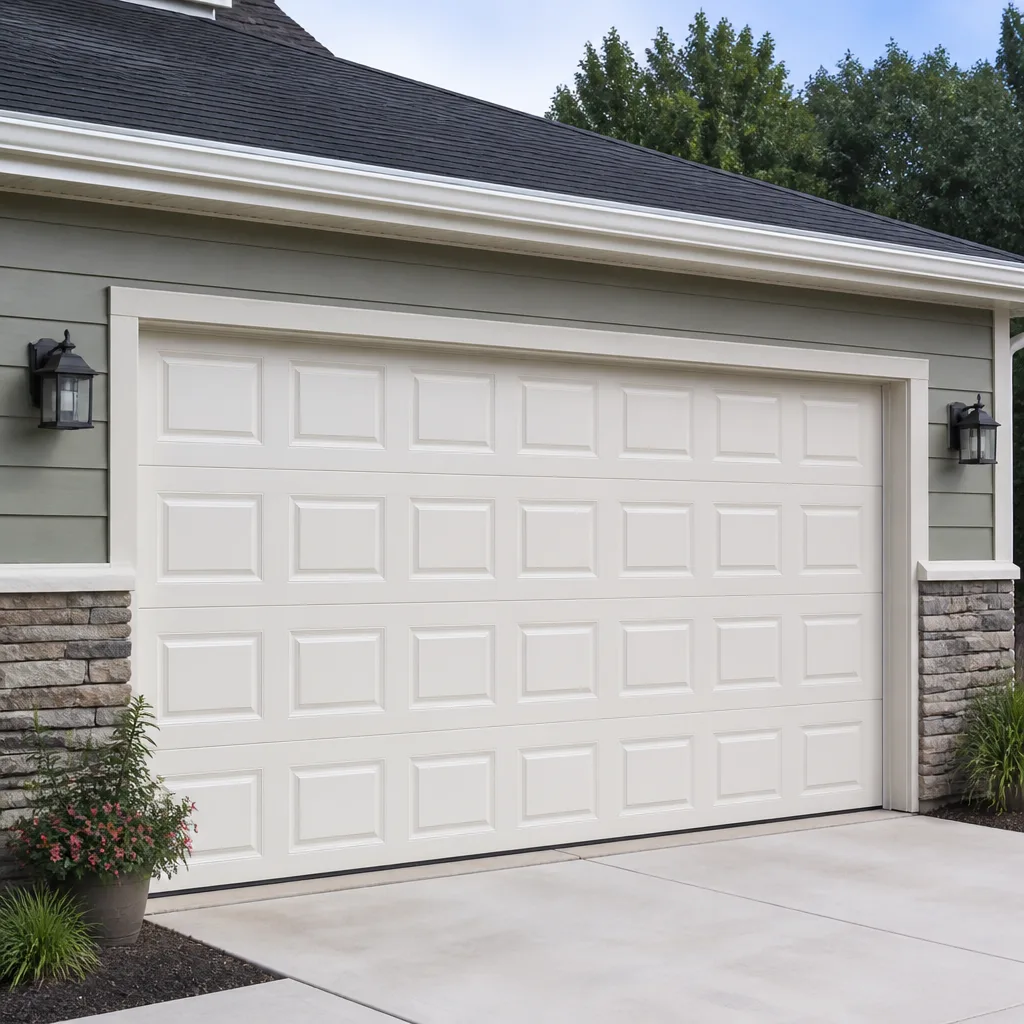 Raised-panel steel
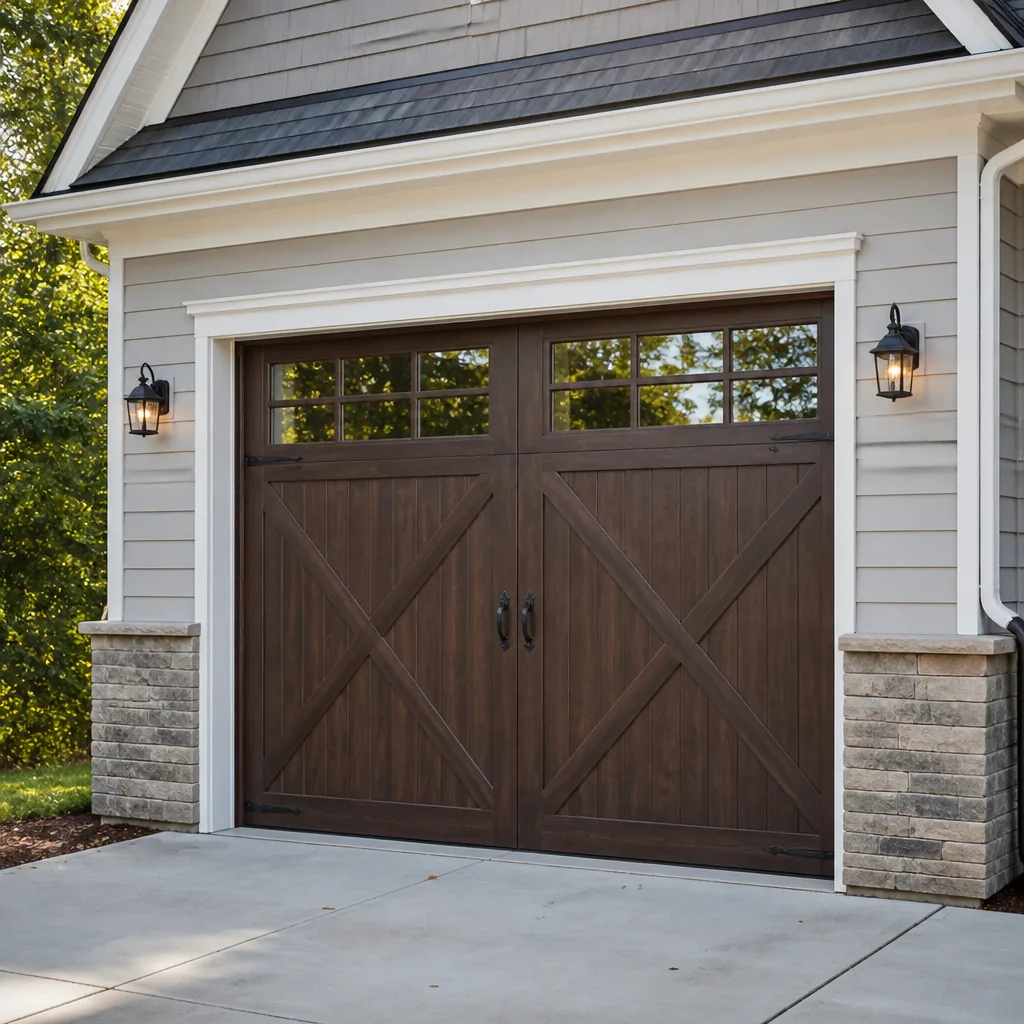 Carriage house
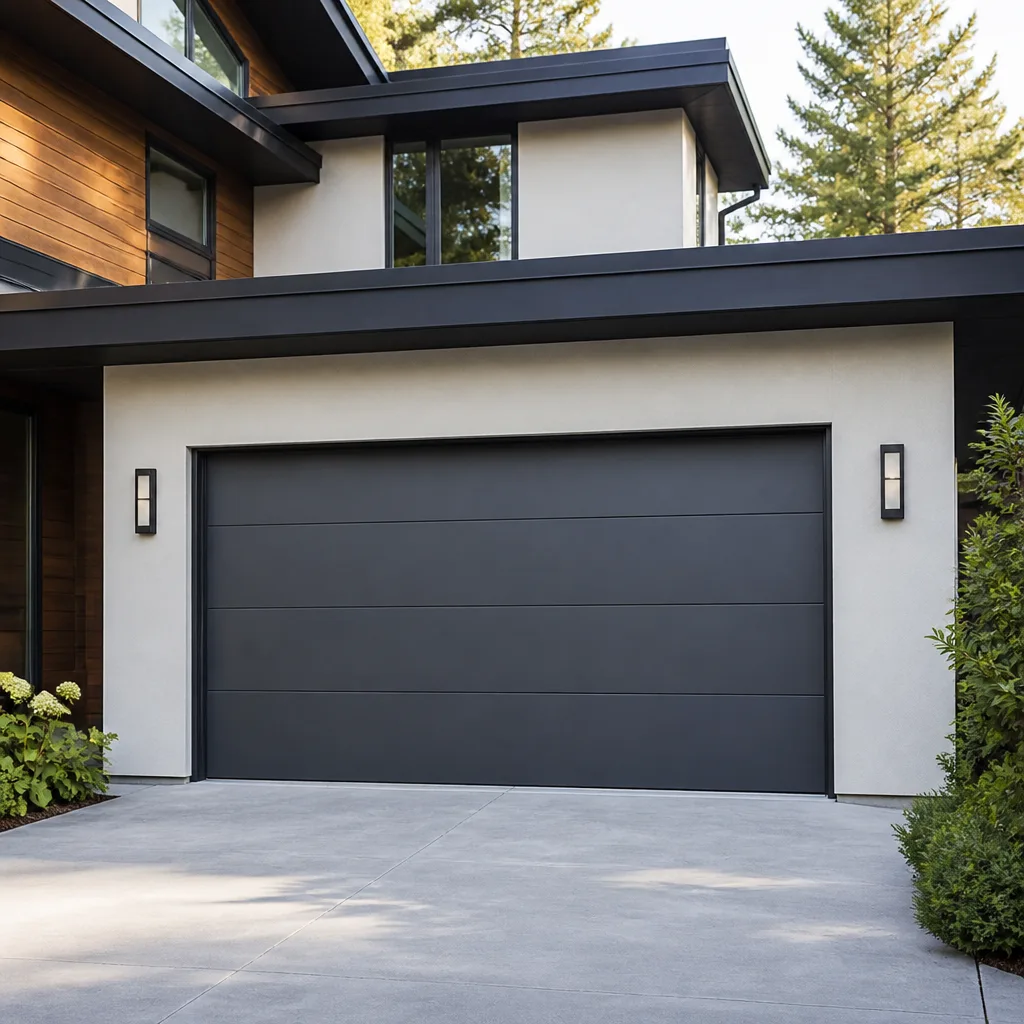 Modern flush
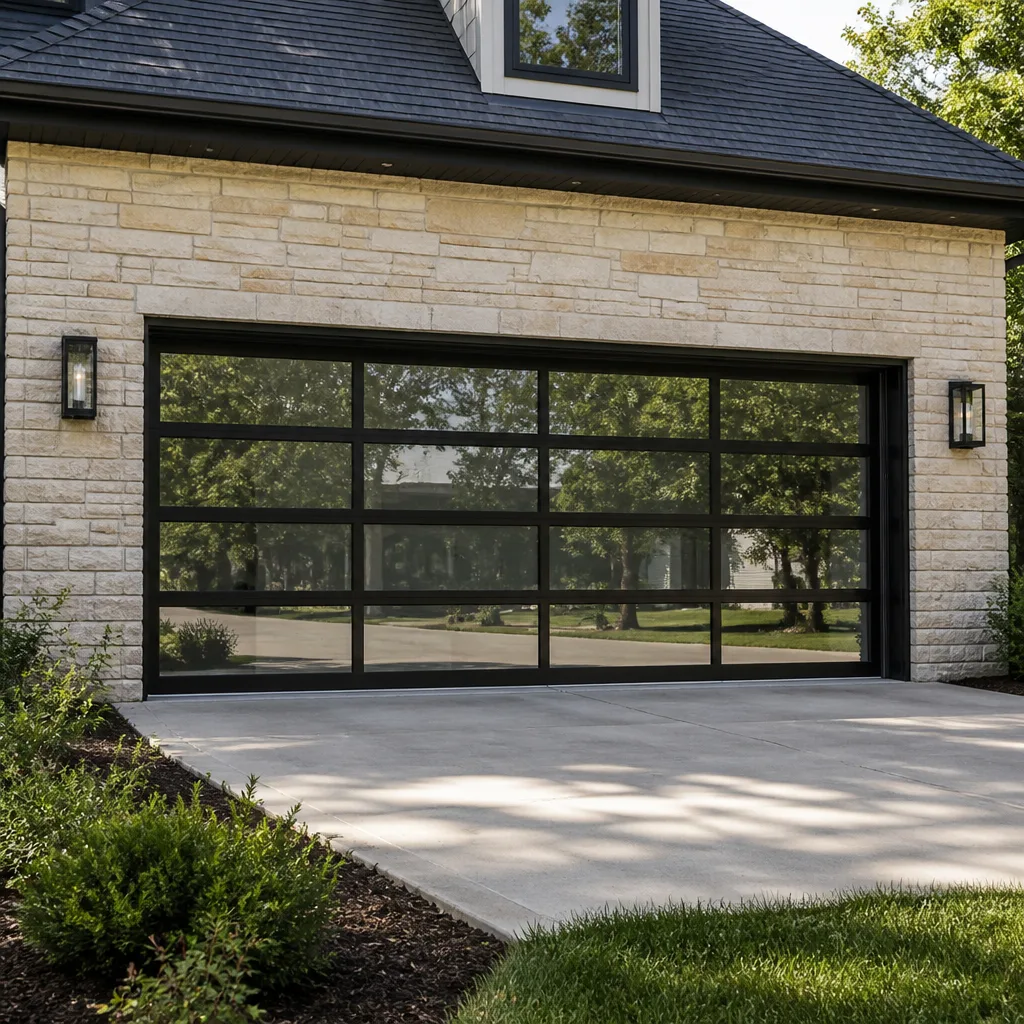 Full-view glass
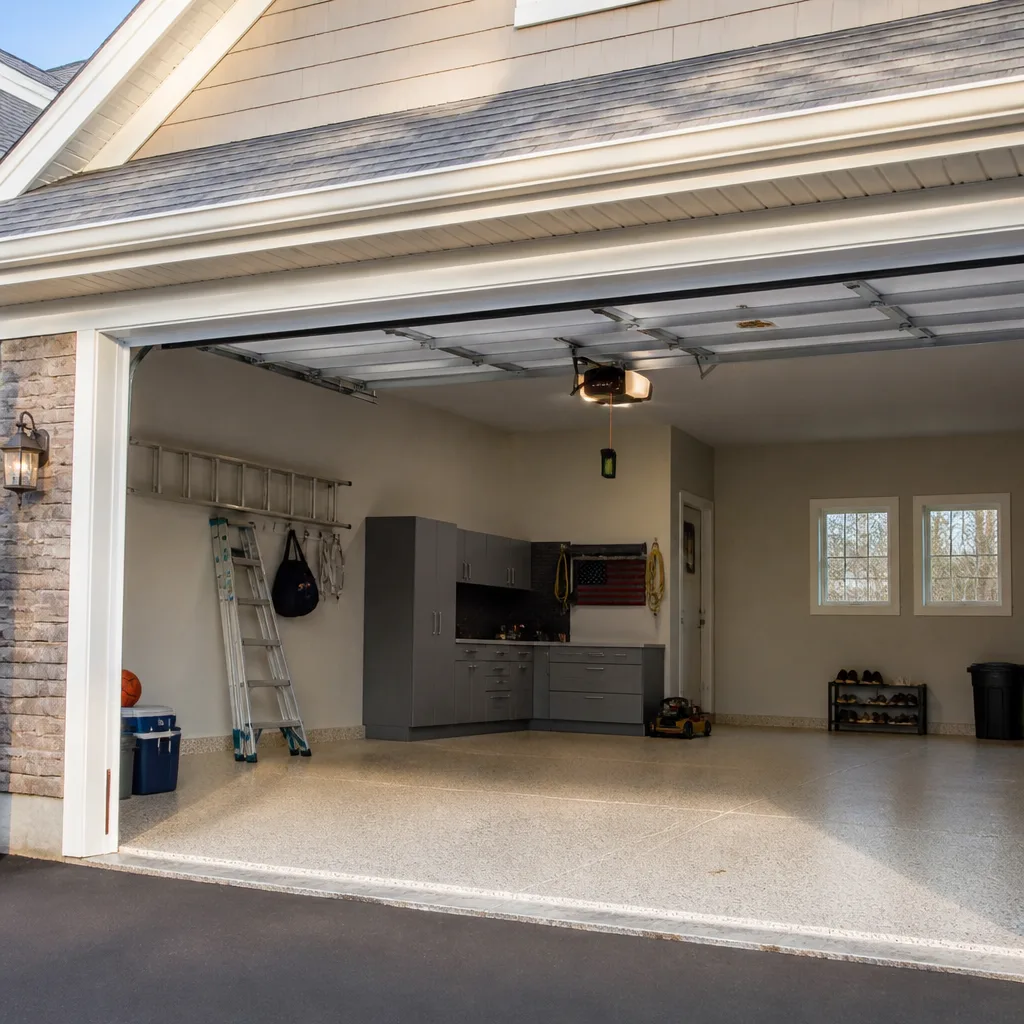 LiftMaster openers
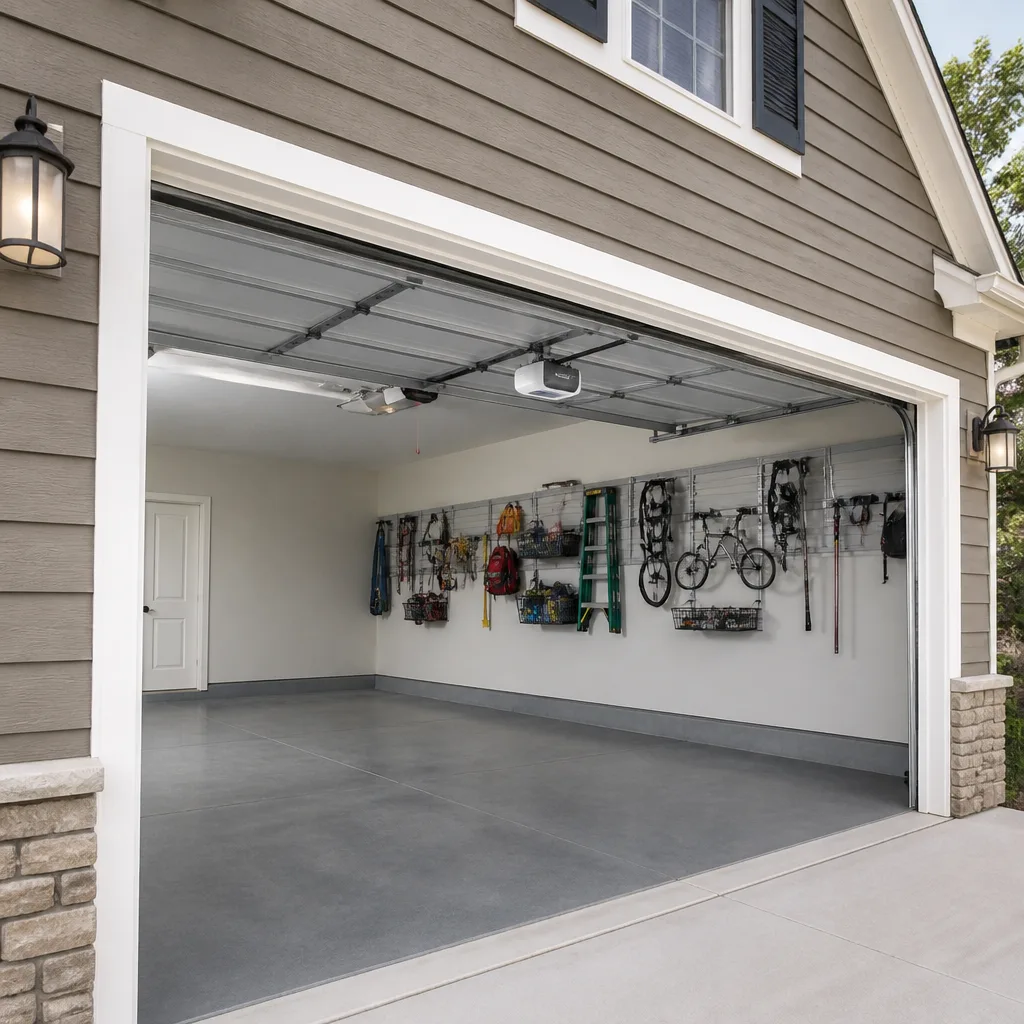 Chamberlain openers
Full 25-point door and opener safety check with every visit - springs, cables, rollers, tracks, and your LiftMaster or Chamberlain opener included
You get a price before we start. It does not change when the pro arrives.
Get your free estimateSeasonal Garage Door Care for Hartford: Year-Round Homeowner’s Guide
Most homeowners treat garage door maintenance as a once-a-year checkbox, usually squeezed in sometime before winter. That approach misses the point. Hartford’s four seasons each stress your door hardware in a different way, and the damage from one season sets up the failure in the next. Late February and early March are the most punishing weeks for Hartford garage door hardware, and it has nothing to do with temperature. Road salt carried in on tires works its way into bottom fixtures, hinges, and cable drum hardware, and it eats metal faster than anything else your door sees all year. What follows maps the specific task to the specific season, so you’re not guessing.
Quick Answer
Seasonal garage door maintenance in Hartford breaks into four distinct windows: a late-winter salt flush and corrosion check in February and March, a spring lubrication and opener recalibration in April and May, a summer moisture and heat-expansion check in June through August, and a fall pre-winter prep sequence in September through November. Each window targets a different failure mode. A single annual tune-up leaves three of those four windows unaddressed.
Styles & brands we work with
- Raised-panel steel
- Carriage house
- Modern flush
- Full-view glass
- LiftMaster openers
- Chamberlain openers
Table of Contents
- Why Hartford’s Four Seasons Each Break Something Different
- Late Winter (February-March): The Salt Infiltration Window
- Spring (April-May): Lubrication and Opener Recalibration
- Summer (June-August): Moisture, Heat Expansion, and Thermal Cutout
- Fall (September-November): The Pre-Winter Prep Sequence
- Hartford Microclimates: River Homes vs. Inland Neighborhoods
- Brand-Specific Considerations: What Your Hardware Needs
- Common Mistakes to Avoid
- When to Call a Professional
- Frequently Asked Questions
- The Bottom Line
Why Hartford’s Four Seasons Each Break Something Different
If you live in a place with one dominant climate, garage door maintenance is fairly simple. Hartford isn’t that place. Between January cold snaps and July humidity, your door goes through four genuinely distinct stress cycles every year, and each one attacks a different part of the system.
Here’s the pattern we see in Hartford:
- Winter cold contracts steel tracks, hardens lubricant, and stiffens weather seals. Springs operate under different tension loads at 15 degrees than they do at 70.
- Late-winter road salt carried in as dried residue on tires and in meltwater is the single most corrosive factor of the year. It attacks bottom brackets, hinge plates, and cable drums.
- Spring thaw brings freeze-thaw cycling at the threshold, which is when bottom seals fail and gaps open under the door.
- Summer humidity and heat swell wood and wood-composite panels, compress bottom seals, and push opener motors toward thermal cutout on hot afternoons.
- Fall temperature swings expose anything that loosened over the prior nine months, right before the door starts getting used differently in cold weather.
The takeaway: a single spring tune-up covers one of these cycles at best. The door part that fails in February is usually the part that was already marginal in October, and it usually fails because nobody looked at it in the weeks that mattered.
Late Winter (February-March): The Salt Infiltration Window
Late February and early March are when Hartford garage door hardware takes its hardest hits of the year. Not because of cold, but because of what’s on the road and what’s on your tires. Road salt and the sand mixed with it get deposited on your driveway, tracked into the garage, and thrown up onto the door every time a vehicle pulls in. That residue sits on the bottom bracket, the bottom hinges, and the cable drum hardware at the top of the door.
Salt doesn’t need standing water to do damage. Once temperatures climb above freezing during the day, any moisture in the air activates the dried salt residue, and that’s when corrosion starts. The parts most affected are the ones that are hardest to see without knowing what to look for:
- Bottom bracket and bottom corner hardware – these sit lowest and collect the most splash and tracked-in salt
- Bottom hinges – hidden behind the panel edge, usually the first place rust shows
- Cable drum hardware at the top of the door – salt mist from wet tires drifts upward as the door opens
- Track rollers and roller stems – they seize silently and then start grinding
- The threshold and bottom seal – freeze-thaw cycling in March opens gaps the seal can’t close on its own
What to check without disassembling anything
You can inspect most of this from a standing position with a flashlight. Look for orange or white powdery residue on the bottom bracket and hinges. Run a finger along the bottom seal and check for gaps at the corners. Look at the track where the rollers ride and see if any roller looks frozen in place. You can also stand outside the closed door and check whether light comes through anywhere along the bottom.
The late-winter flush
Once the last major road-salt application of the season has passed, rinse the door’s bottom section, hinges, and track with a garden hose and a soft brush to remove dried salt residue. Wipe the bottom bracket and hinges dry, then apply a garage-door-specific lubricant to the hinge pivot points and roller stems. Don’t use WD-40 as a substitute; it’s a solvent, not a long-term lubricant. We handle this flush and inspection as part of seasonal tune-ups for Hartford homeowners, and it takes less time than you’d think.
Spring (April-May): Lubrication and Opener Recalibration
April and May are when your door comes out of winter and everything that spent three months contracted gets to move again. This is the most productive maintenance window of the year, and it covers three specific tasks that work best in this order.
- Full lubrication cycle. Every winter, metal contracts, lubricant thickens, and pivots that were easy to move in October are stiff by March. Spring is when you reset the whole system. Lubricate hinge pivots, roller bearings, the torsion spring coils (light coat, not a drenching), and the opener’s rail and chain or belt.
- Roller bearing inspection. Rollers that sat idle or were used at lower temperatures can develop flat spots or seize. Spin each roller by hand; it should turn smoothly with no grinding. Nylon rollers can develop hairline cracks in cold weather, so look closely at the roller body and not just the bearing.
- Opener force limit recalibration. The opener’s force limit tells the motor how hard to push before it reverses. That setting was calibrated to whatever the door felt like in the last month it was adjusted. Spring is when a technician should re-check the force limit against current door weight and travel, because the door your opener runs today is not the door it was calibrated for six months ago.
Why the force limit matters most in spring
An opener that was calibrated in the cold is pushing harder than it should in warm weather. That extra force is working against the bottom seal and door panel every time the door closes. It can also mask a failing spring, because the opener is compensating for tension the spring should be providing. Recalibrating the force limit in spring removes that mask. If the opener needs tech-level work rather than an adjustment, our garage door opener repair team handles the motor, electronics, and safety sensor side of the system.
Opener diagnostics vary by brand. LiftMaster and Chamberlain units with MyQ integration have force-limit adjustments that live in a different menu than older Genie or Craftsman models, and the recalibration procedure is different for each. That’s the level of brand-specific knowledge our technicians bring; we work on all eight of the major residential brands and don’t try to apply one brand’s procedure to another.
Summer (June-August): Moisture, Heat Expansion, and Thermal Cutout
Summer is the season homeowners worry about least and probably the one where hidden damage accumulates most quietly. Hartford summers bring humidity cycles and several hot stretches, and both work on your door in ways you can’t see from the outside.
Wood and wood-composite panel moisture check
Wood garage doors and wood-composite panels (common on Amarr and Wayne Dalton models among others) swell and shrink with humidity. Hartland homes with wood-composite doors tend to show the first signs in July and August, when panel joints and seams open slightly and the paint or stain on the bottom section starts to blister. Run a hand along the inside of the bottom panel; if it feels soft, spongy, or cooler than the rest of the door, moisture is getting in. Check the paint line at the bottom edge and look for cracks where water sits.
Bottom seal compression loss from heat expansion
The bottom weather seal is a hollow or solid rubber tube. In summer heat, the rubber softens and the door panel above it expands slightly. The combination compresses the seal more than in winter, and over a season, a seal that was making full contact in May can sit visibly compressed by August. That shows up as daylight under the door, drafts in the garage, and water on the floor after summer storms. The fix is a new bottom seal, and the best time to install one is after the heat settles in late August or early September.
Opener thermal cutout
Opener motors have thermal protection built in. On a hot afternoon, especially if the garage runs above 90 degrees, a motor that’s already working harder than it should can trip that protection and refuse to run until it cools. This usually shows up as a door that works fine in the morning and stops responding in midafternoon. It’s not a summer problem in the motor; it’s a sign the opener is overworked, either from a failing spring, a door out of balance, or a force limit set too high. If it happens more than once, it needs a professional look.
Fall (September-November): The Pre-Winter Prep Sequence
Fall is the window that most maintenance schedules treat as the entire job. In a four-season climate, fall is one important part of a year-round sequence, and it works best when you do these tasks in this order.
- Spring tension check. Before the cold sets in, a technician should verify both torsion springs are holding the door’s weight correctly. Springs that were fine in July may be showing early fatigue by October, and a weakened spring left in place will be asked to do more as temperatures drop. This is a professional task – torsion springs are under extreme tension and are not a homeowner safety check.
- Door balance test. Disconnect the opener (pull the release cord) and lift the door to roughly waist height. It should hold there on its own. If it drifts down or needs help, the spring system is out of balance. A balanced door is much easier on the opener all winter. (If you’re not comfortable releasing the opener, leave this to a technician.)
- Weather seal replacement window. If the bottom seal is compressed from summer heat, September and October are the cleanest time to replace it. It’s still warm enough for the new rubber to seat properly, and you’ll get the whole winter out of a fresh seal.
- Battery backup test on the opener. LiftMaster and Chamberlain units with battery backup should be tested before heating season starts. Unplug the opener, run the door, and see whether it operates on battery power alone. Recharge the battery if the test fails, or replace it if it won’t hold. You want to know the answer in October, not during the first ice storm.
- Track and hardware torque check. Cold-weather cycling puts more stress on track brackets, hinge bolts, and lag screws. Tighten anything loose, replace stripped hardware, and check the track for any bend or misalignment introduced over the summer.
When the fall sequence is finished, the door goes into winter in a known condition. That’s the difference between a maintenance plan and a maintenance guess. Our garage door repair team does this sequence as part of pre-winter service for Hartford homeowners who’d rather not do it themselves.
Hartford Microclimates: River Homes vs. Inland Neighborhoods
The Connecticut River cuts through Hartford and its suburbs, and homes within a few blocks of the river run on a different humidity clock than homes in inland neighborhoods like West Hartford’s borders or the higher ground out toward Bloomfield. This matters for two things: wood panel condition and hardware corrosion.
Homes near the river get longer, wetter humid stretches in summer. Wood and wood-composite panels swell more, dry slower, and tend to show moisture damage first. The same homes also see more condensation cycles inside the garage, which is the ideal condition for latent corrosion on hardware that already has salt residue on it from the previous winter. The result is that a river-neighborhood door can be two or three weeks behind an inland door on the same maintenance schedule.
What that means practically:
- River-adjacent homes should do the summer moisture check earlier (late June rather than mid-July) and re-check the inside of the bottom panel in August.
- Wood-composite door owners near the river should look at paint and stain condition on the bottom section every spring and fall, not once a year.
- Inland homes face more of a thermal swing problem than a humidity problem. Their spring lubrication cycle and fall spring check are the higher-priority tasks.
- Either way, the late-winter salt flush is the same for every Hartford home.
Brand-Specific Considerations: What Your Hardware Needs
The seasonal tasks above are universal. The specific hardware inside your door is not. We work on eight of the most widely installed residential brands, and where a seasonal check actually matters most depends on what’s hanging over your car.
LiftMaster and Chamberlain openers
The two most common openers in Hartford-area garages. Both have smart-home integration (MyQ) and battery backup options, which means the fall battery backup test matters more than on a legacy unit. Force limit calibration in spring is adjusted through the myQ app or the wall control, depending on model year. Thermal cutout behavior in summer is worth noting because Wi-Fi-connected units will often log it and send a notification.
Genie and Craftsman openers
Often found on older Hartford homes. Force limit and travel adjustments are usually made at the motor head with a set of screws and a limit switch, not through an app. These units don’t always have battery backup or smart features, which means they tend to get overlooked. A spring calibration check in spring and a motor inspection in fall catch most of what goes wrong.
Clopay, Amarr, Wayne Dalton, and Raynor doors
The panels and the hardware underneath them. Amarr and Wayne Dalton wood-composite panels react to Hartford humidity more than steel panels do, which shapes the summer moisture check. Clopay and Raynor steel doors tend to show salt corrosion on the bottom brackets and hinges before the panels themselves show anything. Raynor doors with specific proprietary hardware may require brand-matched replacement parts, which is a reason to have a technician look at any damage before you try to source a universal part from a big-box store.
Common Mistakes to Avoid
- Treating fall as the only tune-up window. A single fall service leaves the salt, humidity, and thermal stress of the previous winter and summer unaddressed. The whole point of seasonal care is that each window catches something the others miss.
- Using the wrong lubricant. WD-40 removes grease; it doesn’t replace it. Use a garage-door-specific lubricant on hinges and rollers, and apply it lightly to the torsion spring coils.
- Skipping the post-salt flush. Hartford homeowners often do a spring tune-up but skip the late-winter salt rinse. If salt residue stays on the bottom bracket all spring, corrosion is already started before the first tune-up of the year.
- Adjusting the opener force limit without checking the spring. Raising the force limit to compensate for a door that’s getting harder to lift masks a failing spring. It should never be done as a workaround for a spring problem.
- Testing a torsion spring by hand. Torsion springs are under extreme tension and will cause serious injury if handled incorrectly. Visual inspection from a safe distance is the most a homeowner should do; any adjustment or replacement is a professional job.
- Replacing the bottom seal in July. Heat expansion makes the seal compress, and installing a new one in peak summer means you’re measuring against the wrong door panel dimension. Wait for late August or September for a clean fit.
- Ignoring the battery backup until it fails. If a LiftMaster or Chamberlain battery backup system isn’t tested in fall, the first time you learn it’s dead is when the power’s out and the door won’t open. Test it in September or October, not in the middle of a storm.
When to Call a Professional
Some of this guide is homeowner-level inspection work. Rinsing the door, wiping it dry, lubricating hinges, and checking for daylight under the seal are reasonable tasks to take on. Everything on the other side of that line is not. Call a professional when:
- You hear a loud bang from the garage and the door won’t lift – a snapped torsion spring is the most likely cause, and this is not a do-it-yourself repair
- A cable has come off its drum or looks frayed anywhere along its length
- The door is visibly out of balance or hangs unevenly from corner to corner
- The opener force limit has been adjusted more than once to keep the door working
- You see daylight under the door after the seal looked fine in the spring
- A wood or wood-composite panel feels soft, spongy, or significantly cooler than the rest of the door
- The opener is tripping thermal cutout regularly or refusing commands on hot afternoons
Hartford Garage Door Repair Pros offers free estimates in Hartford. We’re a garage door specialty company, which means we work on the door and opener system from the opener motor to the bottom panel, and we don’t hand off parts of the job to a general contractor. If you’re not sure whether what you’re seeing is a tune-up job or a repair, call and describe it. Our garage door installation and repair teams handle every part of the system.
For anything involving springs, cables, or openers that no longer respond, call (877) 792-6067. We answer 24/7. Fast dispatch from 7am to 7pm, Sunday through Friday. A door that won’t close is a security gap, and we treat it that way.
Frequently Asked Questions
Twice a year is the right baseline for Hartford: once in spring (April or May) and once in fall (September or October). If you do your own late-winter salt flush and summer moisture checks, that covers most of the year. If you’d rather have the full four-window sequence handled by a technician, ask about seasonal service. Call (877) 792-6067 for a free estimate.
The late-winter salt flush in February or March matters more than any other single task. Hartford’s road salt residue is the most corrosive factor your door sees all year, and it accelerates corrosion on the bottom bracket, hinges, and cable drum hardware faster than cold, humidity, or heat. Wipe and rinse the bottom section after the last salt application of the season to stay ahead of it.
Cold-weather contraction hardens lubricant and stiffens metal, and the noise in spring is usually the accumulated effect of three months of stiff movement. A full lubrication cycle on hinge pivots and roller bearings, plus the opener’s rail and chain, usually quiets it down. If the noise persists after lubricating, or you hear a grinding sound, call us – grinding often means a roller bearing or torsion spring issue that lubrication won’t fix. Call (877) 792-6067.
Occasional thermal cutout on an extremely hot afternoon can happen, but a door that regularly stops responding in summer heat is telling you the opener is working too hard. The two most common causes are a force limit set too high (masking a failing spring) or a door out of balance. Both need a professional diagnosis. Our garage door opener repair team can test the opener, spring tension, and door balance together. Call (877) 792-6067 for a free estimate.
They need the same schedule with an earlier summer moisture check. Homes near the Connecticut River run higher humidity cycles than inland Hartford neighborhoods, which makes wood and wood-composite panels swell and hardware corrode faster. Push the summer panel and hardware check to late June rather than mid-July, and re-check the inside of the bottom panel in August.
No. Torsion springs are under extreme tension, and replacement requires specialized tools, proper winding procedure, and a full understanding of the door’s weight and balance system. Injuries from improper spring handling are severe and irreversible. Fall is the right time to have the spring checked professionally, and any spring work should go to a garage door specialist, not a general contractor. Call (877) 792-6067 to schedule a free estimate.
The Bottom Line
Hartford’s four seasons each attack your garage door in a different way, and the maintenance that keeps it working is a sequence, not a single visit. The late-winter salt flush is the most important task of the year. Spring is for lubrication and opener recalibration. Summer is for moisture and heat-expansion checks. Fall is for the pre-winter sequence that sets the door up for cold weather. River-adjacent homes need to run the summer check earlier than inland homes. The one thing that ties all of it together is a garage door specialty company that knows your brand and treats the door as a full system, from the opener motor to the bottom panel. If you’re ready to get on a schedule, call (877) 792-6067 for a free estimate. Hartford Garage Door Repair Pros is your local garage door specialist.
Our Hartford Garage Door Repair Pros team handles seasonal maintenance, repairs, and new door installations for Hartford-area homeowners, working on all eight of the major residential brands we’ve named.
Written by the team at Hartford Garage Door Repair Pros.
See the difference
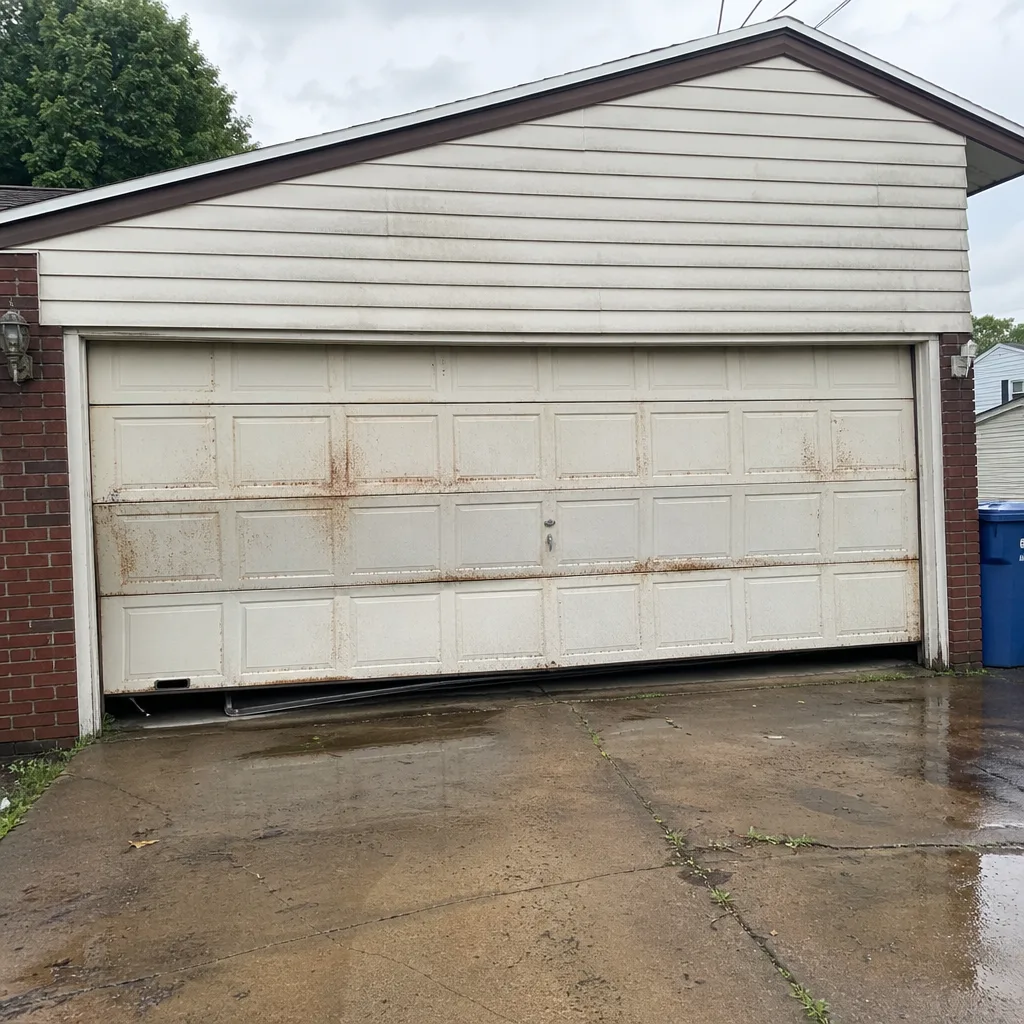 Before
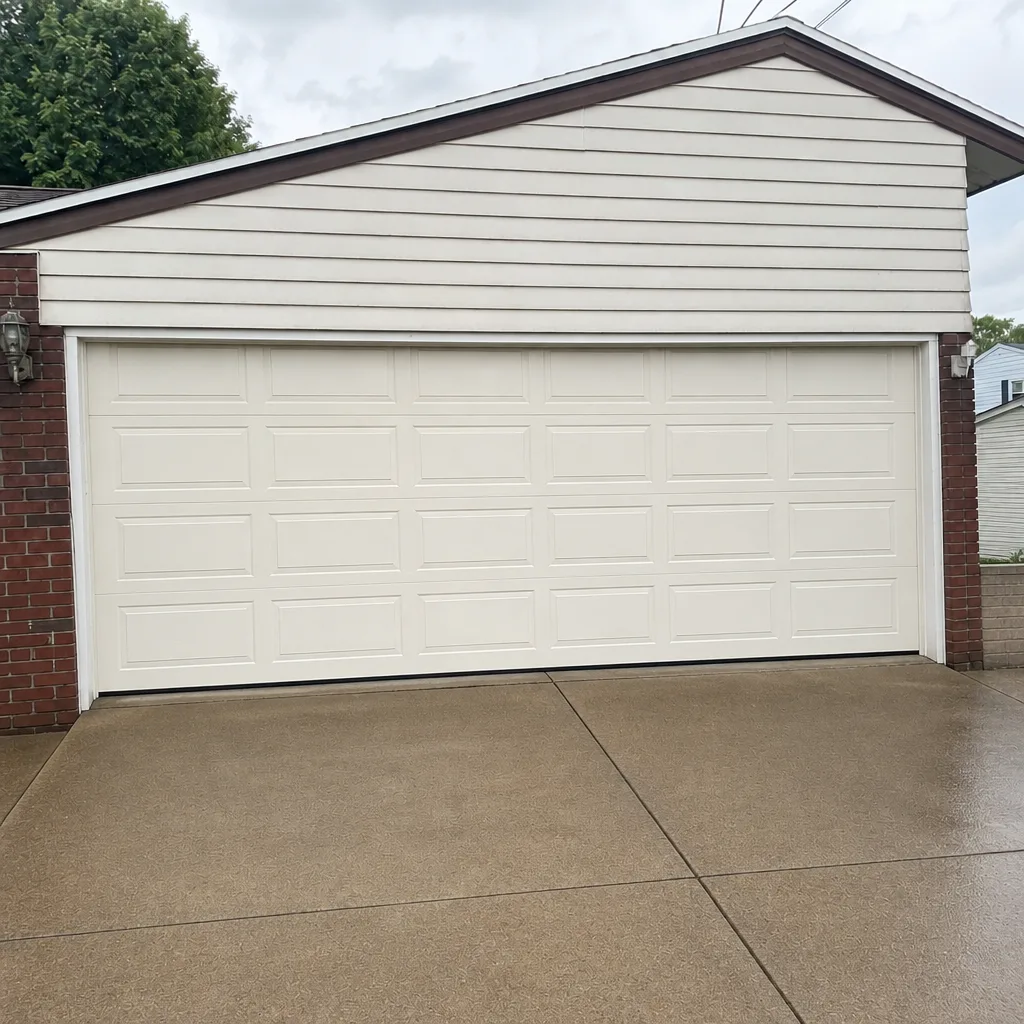 After
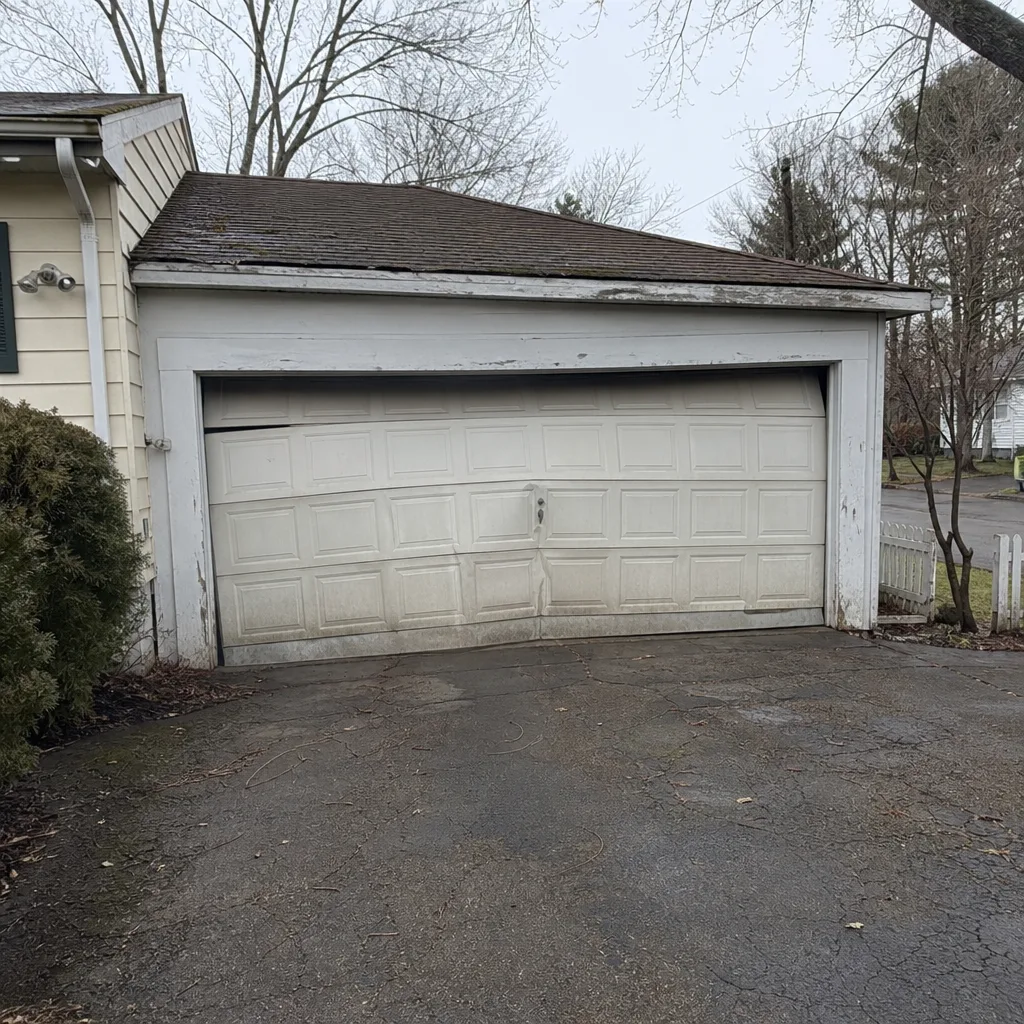 Before
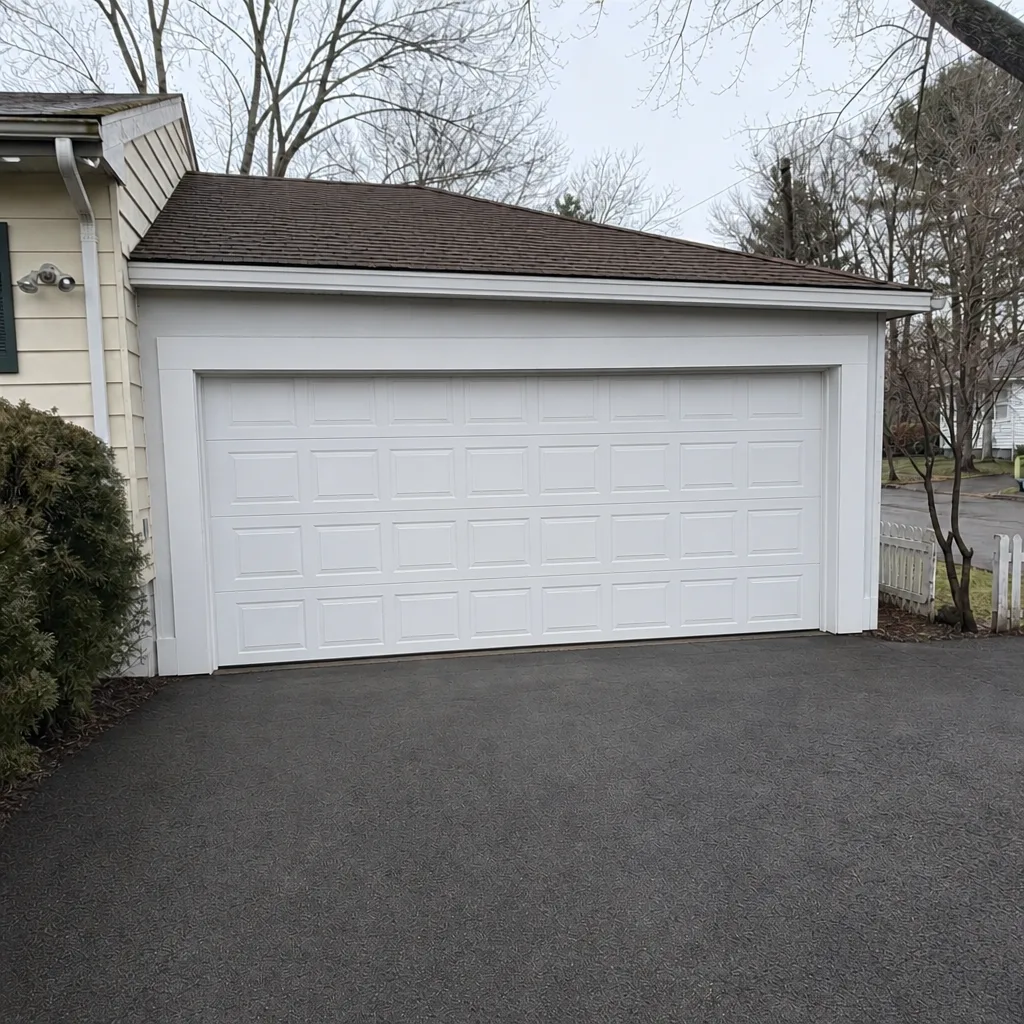 After
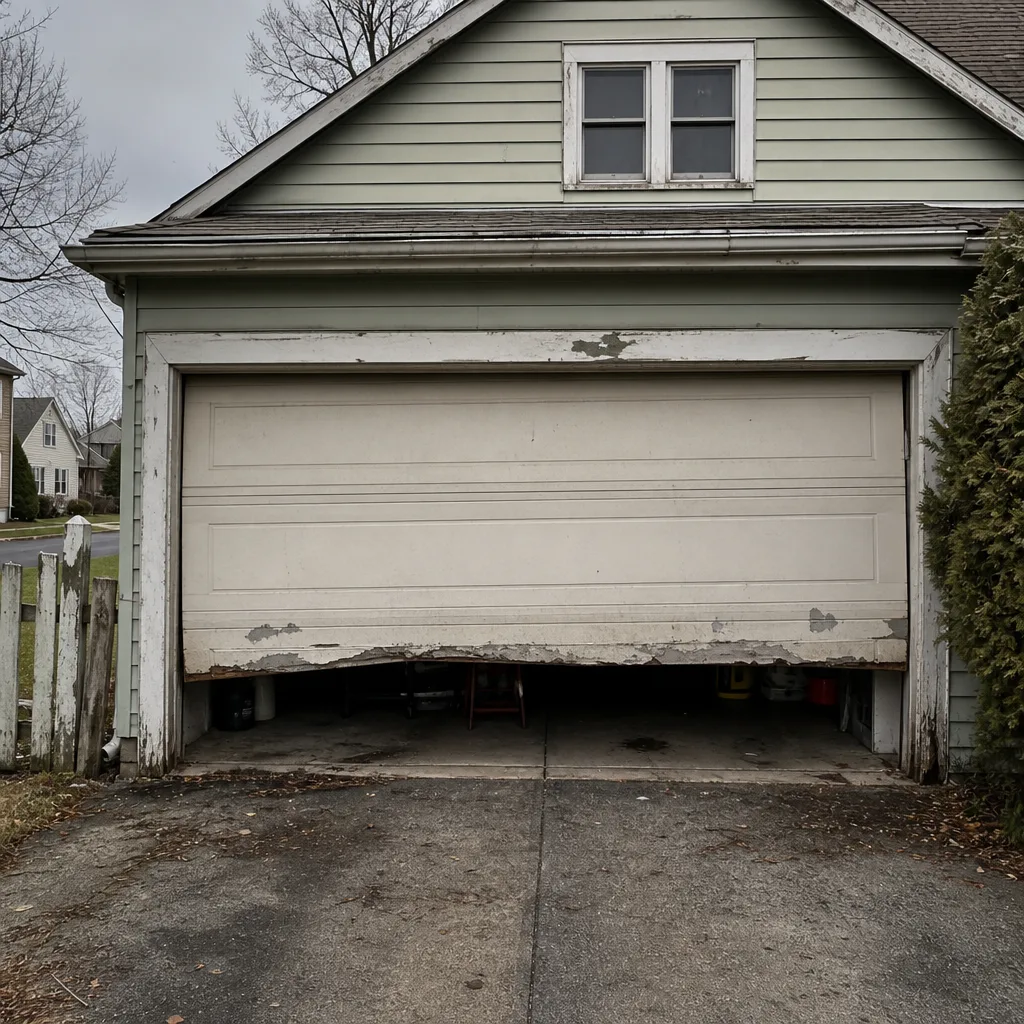 Before
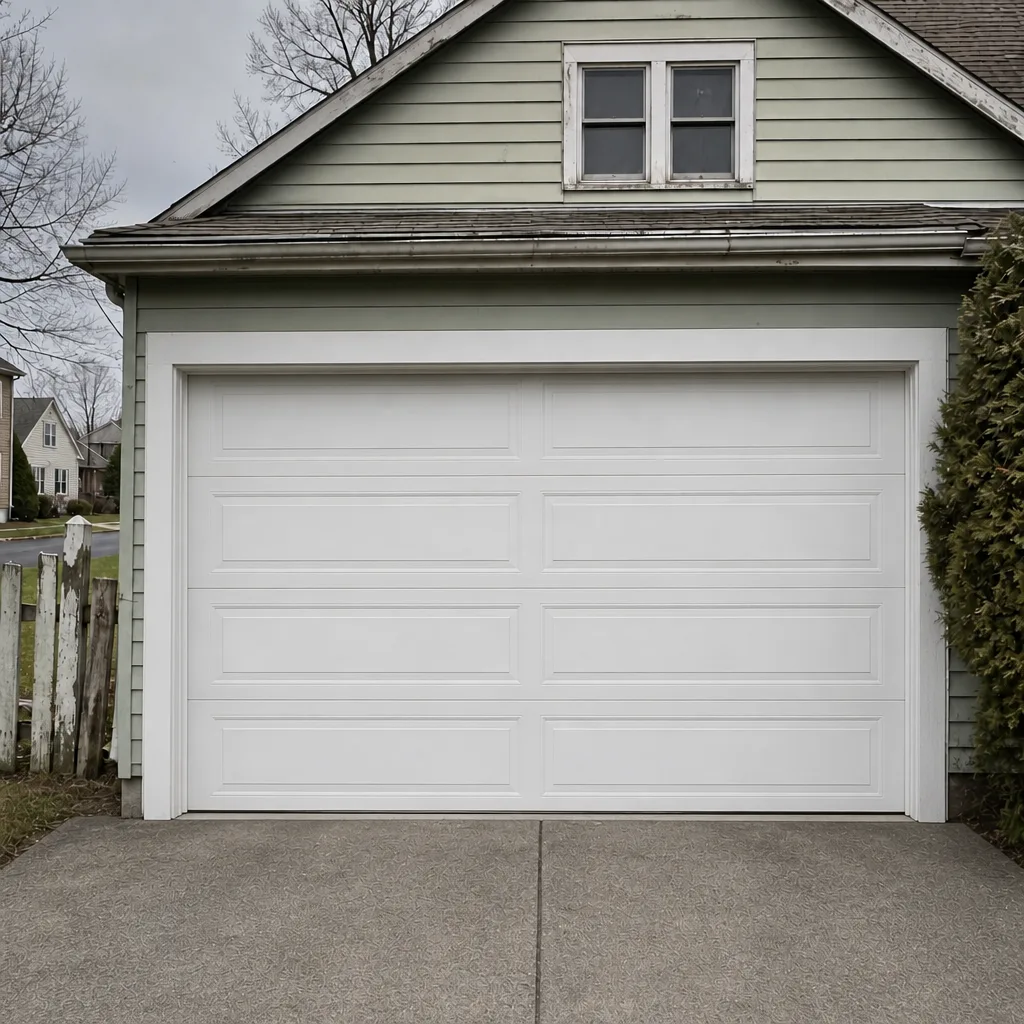 After