
Last updated November 23, 2026
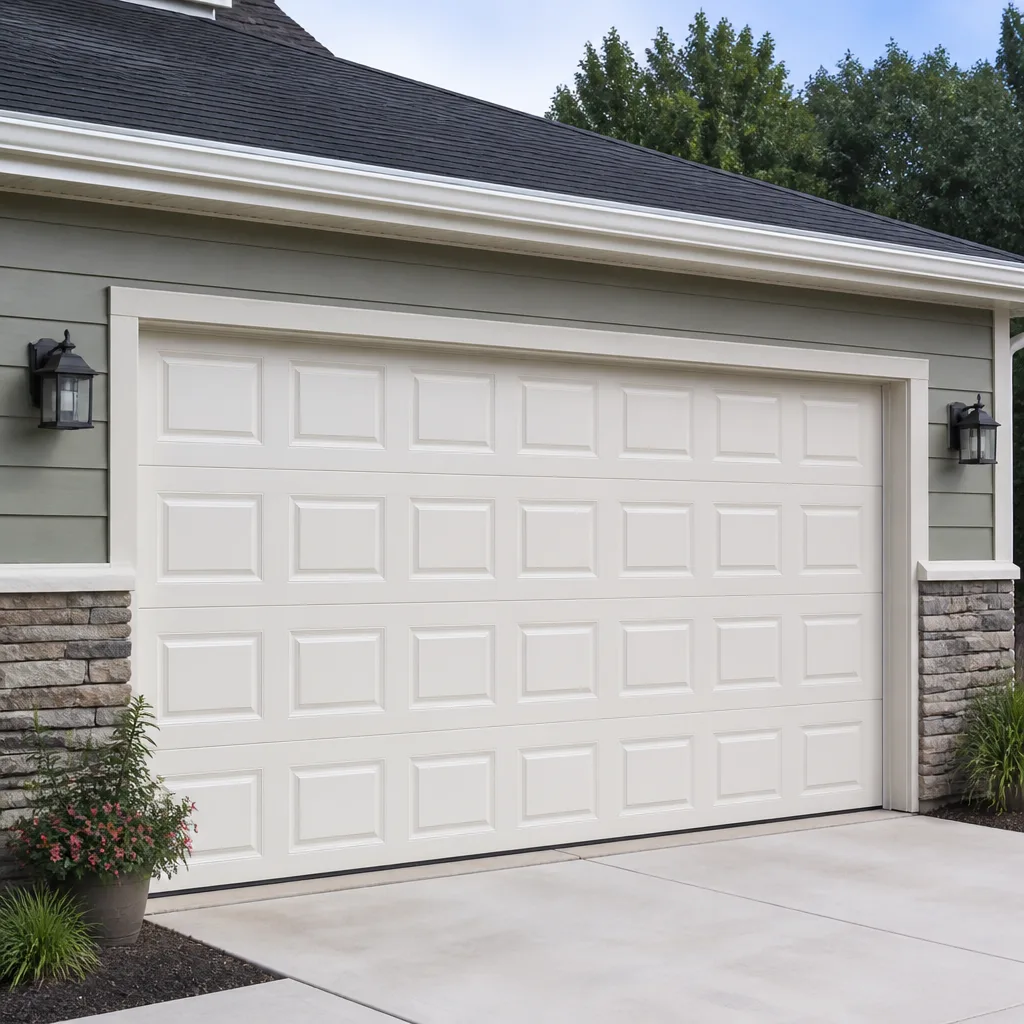 Raised-panel steel
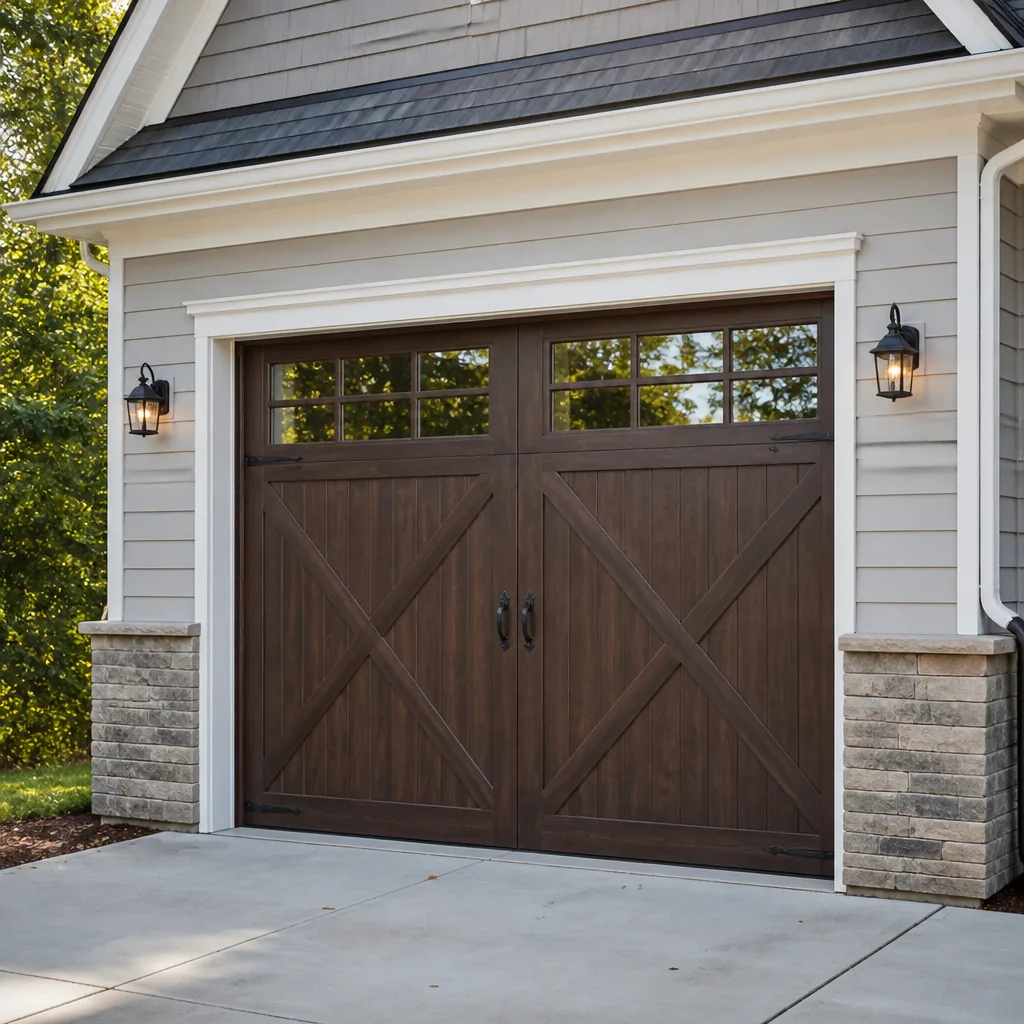 Carriage house
 Modern flush
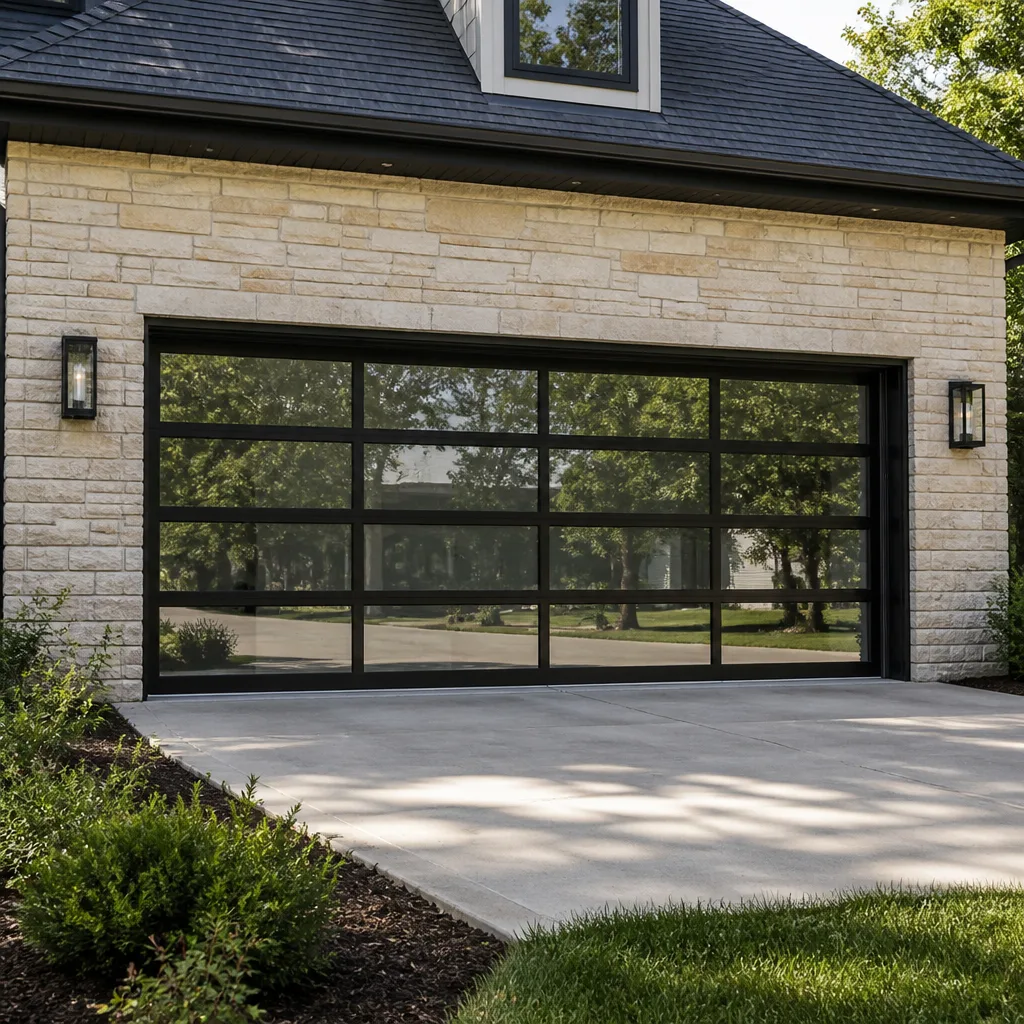 Full-view glass
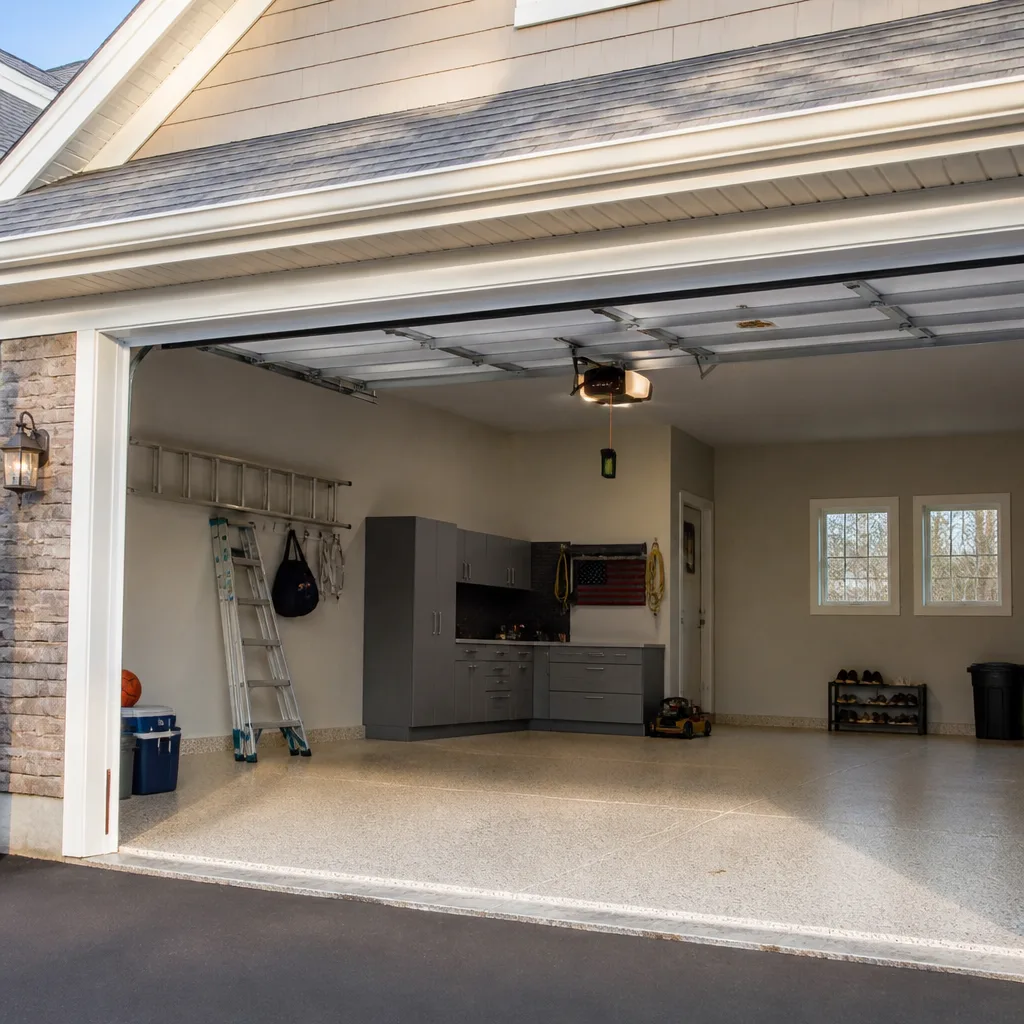 LiftMaster openers
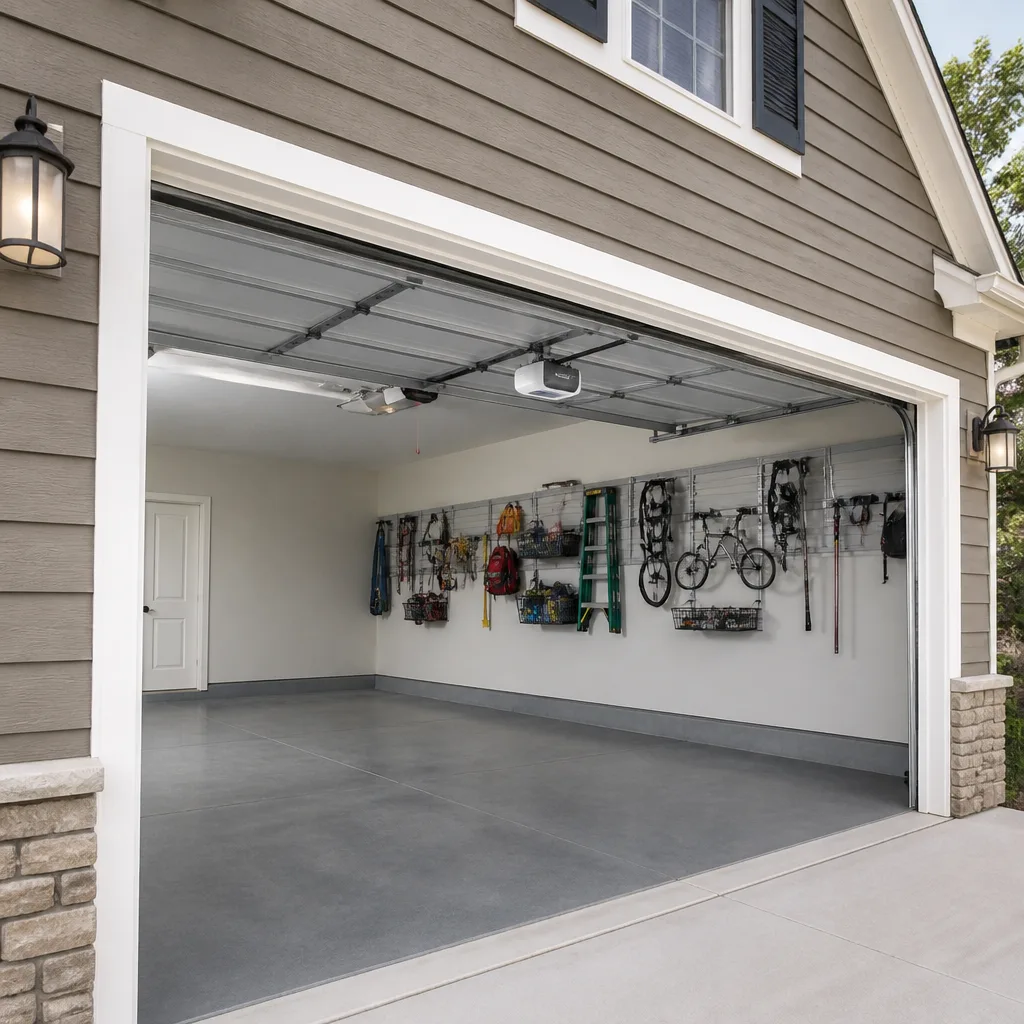 Chamberlain openers
Full 25-point door and opener safety check with every visit - springs, cables, rollers, tracks, and your LiftMaster or Chamberlain opener included
You get a price before we start. It does not change when the pro arrives.
Get your free estimateHow to Hire a Garage Door Contractor in Hartford: A Step-by-Step Guide
Most people hire a garage door contractor the way they hire a plumber: the door breaks, they search, they call whoever answers. That’s the mistake. In Connecticut, a garage door contractor is a licensed trade contractor, and the state keeps a public registry of who’s legally allowed to do the work. The registration check takes less time than the phone call. Hartford’s older housing stock – the multi-bays in the West End, the tight one-car garages off Parkville side streets – means a lot of doors here are original or decades-old, and repairs on aged torsion systems carry real risk. This guide shows you how to verify a contractor, read an estimate, and spot the quotes that are missing the whole story.
Quick Answer
To hire a garage door contractor in Hartford, verify their Connecticut Home Improvement Contractor (HIC) registration through the Department of Consumer Protection’s online lookup before you discuss price, confirm they carry liability insurance and workers’ compensation, get a written estimate that itemizes every part and brand, and ask specifically how they diagnose your door’s make and model. A registered contractor who can name your spring type, opener model, and door system before arriving is a safer hire than a cheaper one who can’t.
Styles & brands we work with
- Raised-panel steel
- Carriage house
- Modern flush
- Full-view glass
- LiftMaster openers
- Chamberlain openers
Table of Contents
- Step 1: Verify Connecticut HIC Registration Before Anything Else
- Step 2: Confirm Insurance and Workers’ Compensation
- Step 3: Understand What “Manufacturer-Trained” Actually Means
- Step 4: Read the Written Estimate Like a Contractor Would
- Step 5: Spot the Red Flags in a Garage Door Quote
- Step 6: Run the Callback Test
- Questions to Ask Every Hartford Contractor
- When to Skip the DIY Approach and Call a Specialist
Step 1: Verify Connecticut HIC Registration Before Anything Else
Connecticut requires home improvement contractors to register with the Department of Consumer Protection. That registration covers garage door work, and it’s the first filter you apply – before price, before reviews, before anything. An unregistered operator doing a repair in Hartford isn’t just a paperwork problem; if something goes wrong during the job, your homeowner’s insurance claim can be complicated by the fact that the person working on your property wasn’t licensed to be there.
Here’s how to run the check:
- Ask for the contractor’s HIC registration number over the phone or by text. A registered contractor will provide it without hesitation.
- Go to the DCP’s online license lookup and search by that number, or by the business name if they give you that instead.
- Confirm the registration is active and matches the name and address the contractor gave you. A registration tied to a different business name or a dissolved entity is a stop sign.
- Screenshot the result so you have a record if the relationship sours later.
The whole check takes under two minutes. If a contractor can’t or won’t give you a registration number, that’s your answer. Move on. There are enough registered garage door specialists serving Hartford that you don’t need to gamble on an unregistered one.
Step 2: Confirm Insurance and Workers’ Compensation
A registration number tells you the contractor is legally allowed to work. Insurance tells you what happens if something goes wrong on your property. Both matter, and they’re separate checks.
Ask for a certificate of insurance showing general liability coverage, and confirm it names the contractor’s business as the insured. If they use any employees or helpers, ask about workers’ compensation coverage too. If an uninsured worker is injured on your property, the liability exposure can land on you as the homeowner. That’s not a scare tactic; it’s how premises liability works.
A legitimate contractor will email or text a certificate without friction. A contractor who says “we don’t need that” or “we handle it case by case” is telling you something important. The local professional you hire through Hartford Garage Door Repair Pros is licensed and insured as their state requires, and we can walk you through what to expect from that paperwork before the visit.
While you’re at it, ask about how they handle damage to your vehicle or property during the job. A garage door is heavy, and a dropped panel or a failed spring under tension can damage a car in the driveway or the door frame itself. A contractor with proper coverage has a straightforward answer to that question.
Step 3: Understand What “Manufacturer-Trained” Actually Means
“Manufacturer-trained” is a marketing claim, not a credential. Almost any contractor can put it on a website. What matters is whether the technician has brand-specific knowledge of the system in your garage, and whether they can demonstrate it.
The difference shows up in the questions they ask before arriving. A trained technician for Clopay or Amarr residential doors will ask about the door’s material, panel construction, and the age of the system. A trained opener technician will ask about your opener’s brand and model – LiftMaster, Chamberlain, Genie, Craftsmaster, or Raynor – because opener troubleshooting is model-specific, especially for systems with battery backup and smart-home integration like MyQ. There’s a real estate of difference between “I’ll take a look when I get there” and “tell me the model number and I’ll know what I’m working with.”
Most residential doors and openers in Hartford fall into a handful of common brands. A specialist who works across all of them – Clopay, Amarr, Wayne Dalton, Craftsman, LiftMaster, Chamberlain, Genie, and Raynor – can diagnose what’s actually failing rather than replacing parts until the symptom stops. Generalists and handymen who advertise “garage doors and more” typically don’t have that depth.
Ask directly: “What brand is my door, based on what I’ve described?” If the answer is a guess, keep looking.
Step 4: Read the Written Estimate Like a Contractor Would
A verbal quote commits no one to anything. In Connecticut, a written contract for home improvement work over a certain threshold is required by consumer protection law, and even below that threshold, a written estimate is the only document that protects you if the work goes sideways. Get it in writing, and read it line by line.
Here’s what a legitimate estimate should include:
- Specific part identification: spring type, length, wire gauge, and cycle rating if springs are involved; opener model number; panel and hardware item numbers where applicable.
- Brand names and product lines: not just “opener” but “LiftMaster 8500W” or “Genie SilentMax 750.” If the estimate says “premium opener,” ask for the exact model.
- Labor separated from materials: you want to see what you’re paying for the equipment versus the work.
- Total price stated plainly: no line items that say “misc.” or “other.”
- A statement that the price is final unless you approve a change: this is the sentence that protects you.
When Hartford Garage Door Repair Pros provides an estimate, the price is quoted and agreed before any work starts. No surprise invoices. If the technician finds something the estimate didn’t cover, they tell you before touching it.
One quick note on pricing structure: a spring repair estimate covers one spring. If your door has a matched pair – and most two-car doors do – replacing both is usually the right call, and that’s roughly double the single-spring price. Any estimate that quotes one range for both springs without explaining the change is either sloppy or intentionally vague.
Step 5: Spot the Red Flags in a Garage Door Quote
Some estimates are written to be confusing on purpose. Here’s what to watch for:
- “Hardware” as a single line item. Hardware is a catch-all that can mean hinges, rollers, brackets, or nothing at all. Ask for each piece itemized. If they won’t itemize, walk.
- No spring specifications. A spring estimate that doesn’t list wire gauge, inside diameter, length, and cycle rating is missing the information that determines whether the spring lasts five years or fifteen. Springs aren’t interchangeable; they’re engineered for the door’s weight. Demand the numbers.
- Opener model numbers that don’t exist in the manufacturer’s catalog. Copy the model number from the estimate into a search bar. If it doesn’t come up on Lifmaster’s or Genie’s own website, it’s either discontinued or invented.
- A quote for “torsion spring conversion” with no explanation. Converting an extension-spring door to torsion is sometimes the right call, but it’s a specific upgrade that should be explained, priced, and justified – not slipped in as a line item.
- No written contract at all. Connecticut consumer protection law exists specifically because verbal home improvement deals go bad. No paper, no job.
One more red flag worth calling out separately: a contractor who recommends full door replacement before they’ve even looked at the door. Replacement is sometimes the right answer, but a technician who defaults to it without diagnosing the failure is either guessing or selling. A specialist diagnoses first and recommends the narrowest repair that actually solves the problem.
Step 6: Run the Callback Test
Before you book a visit, make one call and listen carefully. Describe the symptom, give them the brand and model if you know it, and pay attention to how they respond.
A technician who diagnoses by symptoms and model numbers will ask follow-up questions: Is the door sluggish on the way up or on the way down? Does the opener run but the door doesn’t move, or does the opener click and stop? Is the noise coming from the spring shaft, the hinges, or the opener rail? These questions tell you they’re building a working theory before they arrive.
A technician who defaults to “we’ll need to come out and take a look” on every question is not necessarily bad – sometimes the diagnosis genuinely requires eyes on it. But if they follow that up with “it sounds like you need a new opener” without asking you anything, that’s a red flag. The callback test is less about what they recommend and more about whether they’re thinking or just scheduling.
If the door won’t open at all, or the spring has snapped and the door is stuck, that’s a different conversation. Call (877) 792-6067. We answer 24/7, and fast dispatch from 7am to 7pm gets a technician out to treat the failure as the access and security problem it is.
Questions to Ask Every Hartford Contractor
Bring this list to your first call. A specialist will answer all of them without hesitation; a generalist will stumble on several.
- “What’s your HIC registration number?” If they can’t produce it, the conversation ends here.
- “What brand is my garage door and opener, based on what I’ve told you?” They should be able to make a reasonable guess from the door’s description and photo.
- “Do you replace torsion springs, or do you refer those out?” Spring work is the mechanically demanding end of this trade. A contractor who refers it out isn’t a garage door specialist.
- “What’s the price range for a spring replacement on a door like mine?” A real estimate will quote one spring at a specific range, and double it if you need the pair.
- “Can I see a sample written estimate?” Look for the specifics: model numbers, spring specs, itemized labor.
- “Do you service the Hartford area directly, or do you subcontract?” Subcontracting isn’t always a dealbreaker, but it does mean you’re not hiring the company you called.
- “What happens if the price changes once you’re on site?” The answer should be: you approve it before work continues. If there’s no process for that, there’s no protection.
If a contractor gets defensive about these questions, that’s useful information. So is the opposite: a specialist who answers them calmly and clearly, without feeling interrogated.
When to Skip the DIY Approach and Call a Specialist
Some garage door work is genuinely safe to handle yourself. Swapping a roller or tightening a hinge: fine. Replacing a remote battery: fine. But the parts of a garage door that fail most often – springs, cables, and torsion assemblies – are load-bearing systems under extreme tension, and they’re the most common source of serious injury in home repair. We don’t offer step-by-step instructions for those because the risk isn’t worth it.
Call a professional if:
- The door won’t open or close at all, or opens unevenly
- A spring has visibly snapped or the door feels unusually heavy when you lift it manually
- The opener runs but the door doesn’t move, or the opener is making unfamiliar sounds
- The door is stuck open or stuck closed – a stuck door is a security gap, not just an inconvenience
- You’ve inherited an old system and don’t know its service history
- Your opener is older hardware that doesn’t support modern safety features, and you’re considering an upgrade
For installation, replacement, and new-door projects, the right move is a free measure and a written price – no same-day promises, because ordering and scheduling take time. Hartford Garage Door Repair Pros offers free estimates in Hartford. Call (877) 792-6067.
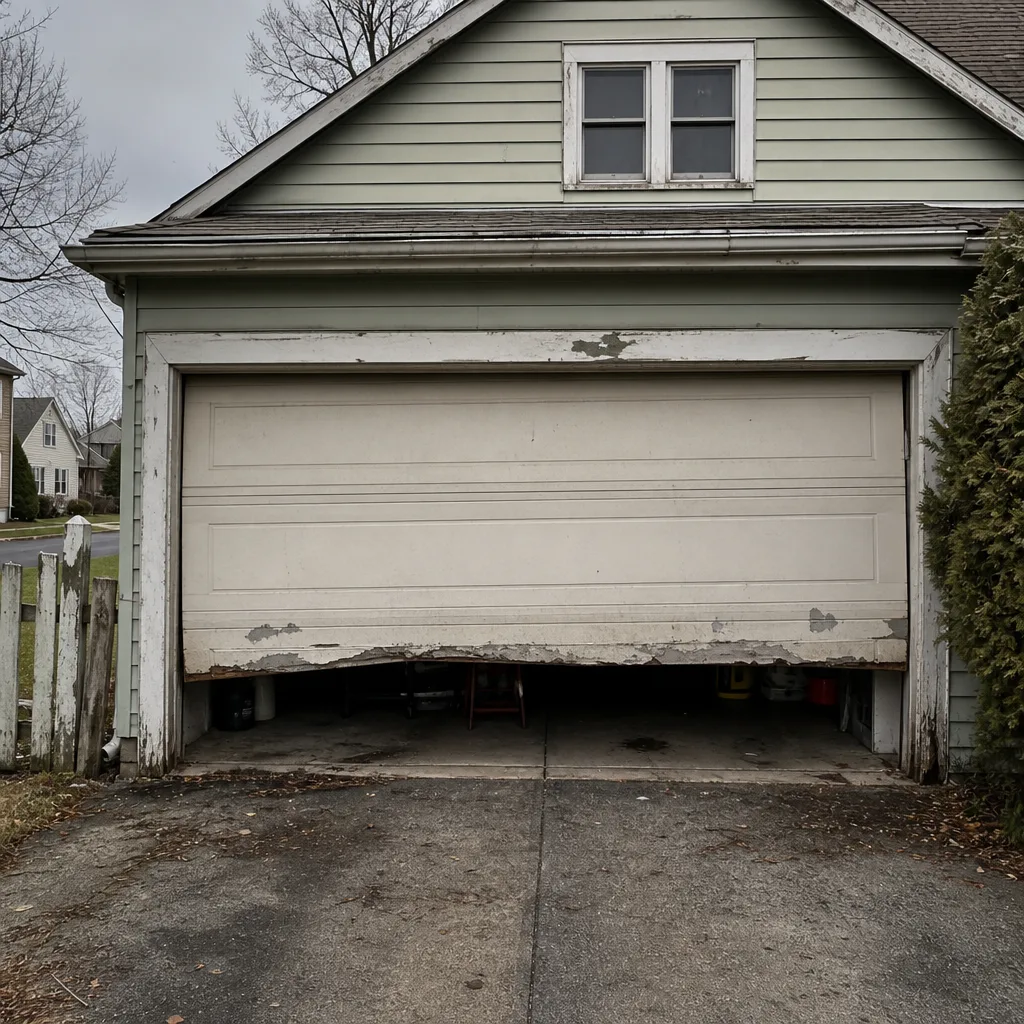
See the difference
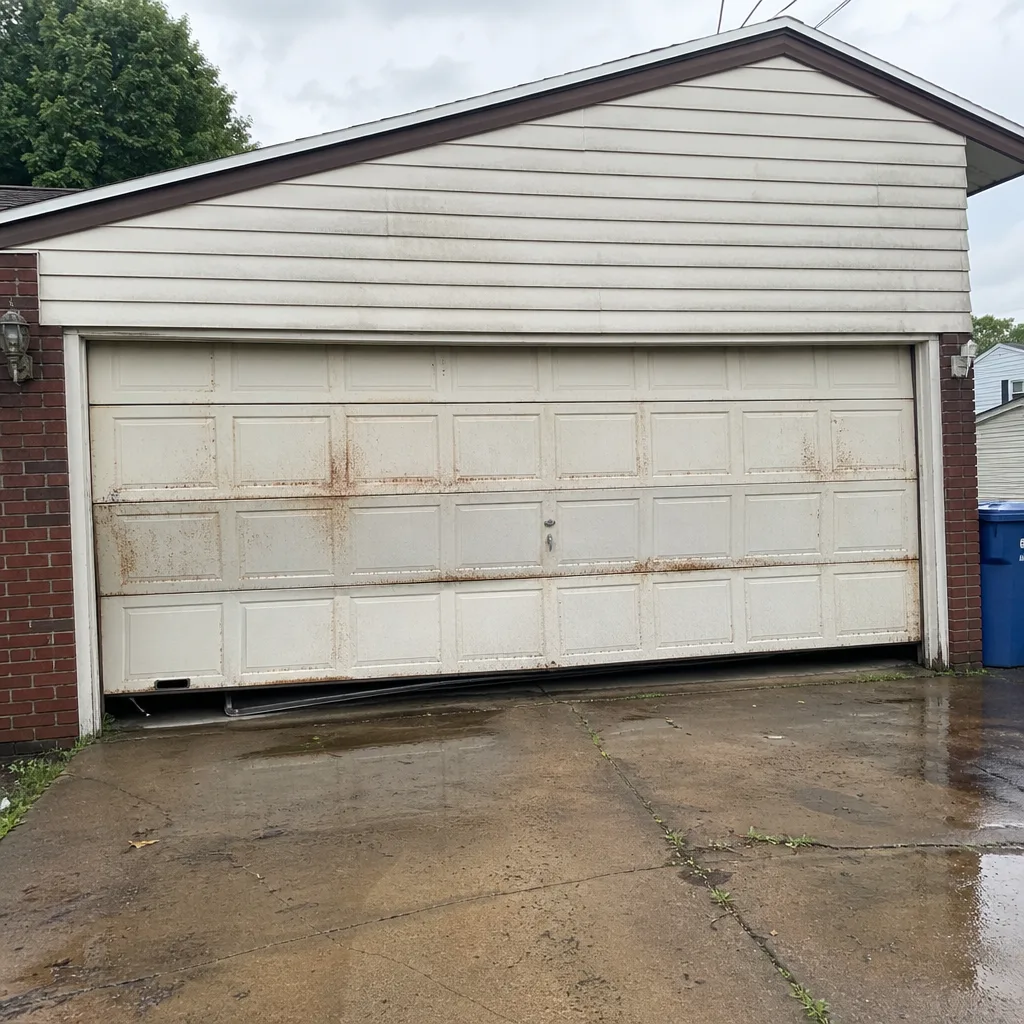 Before
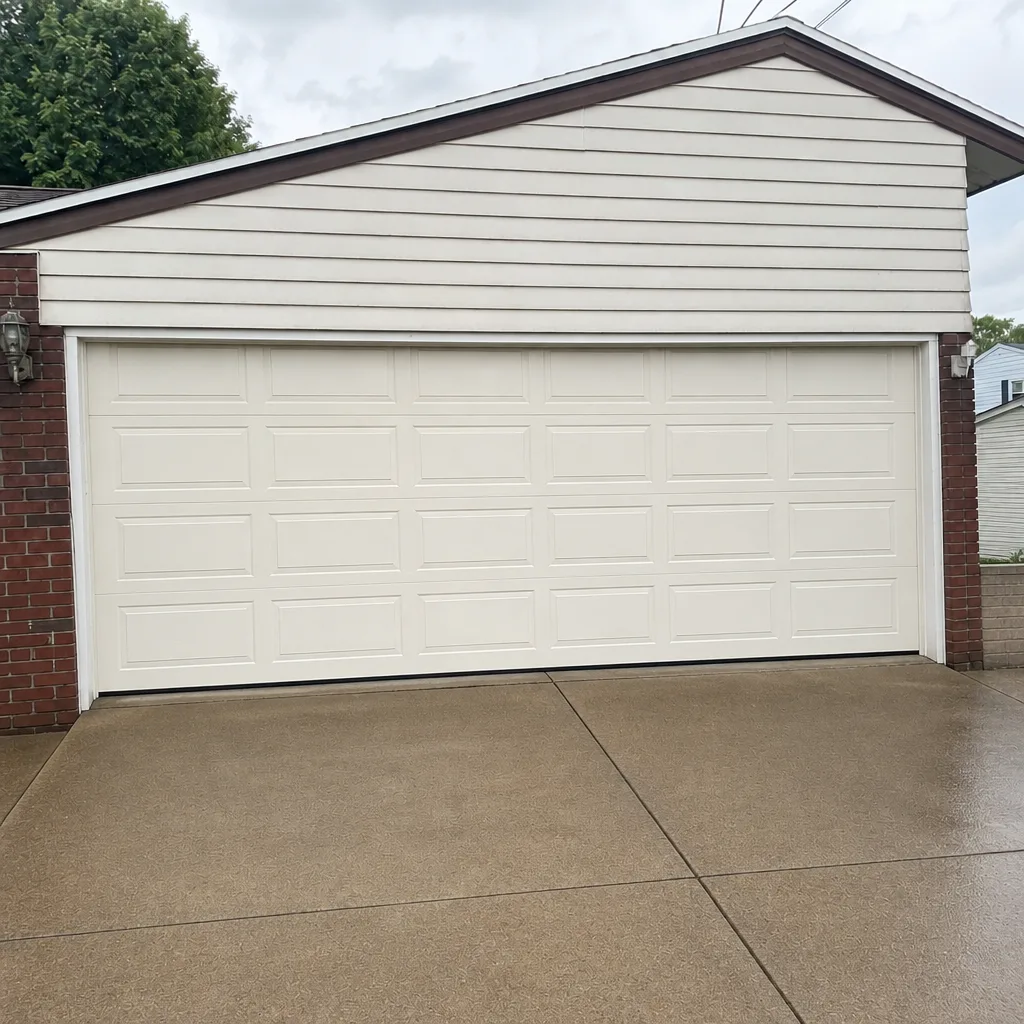 After
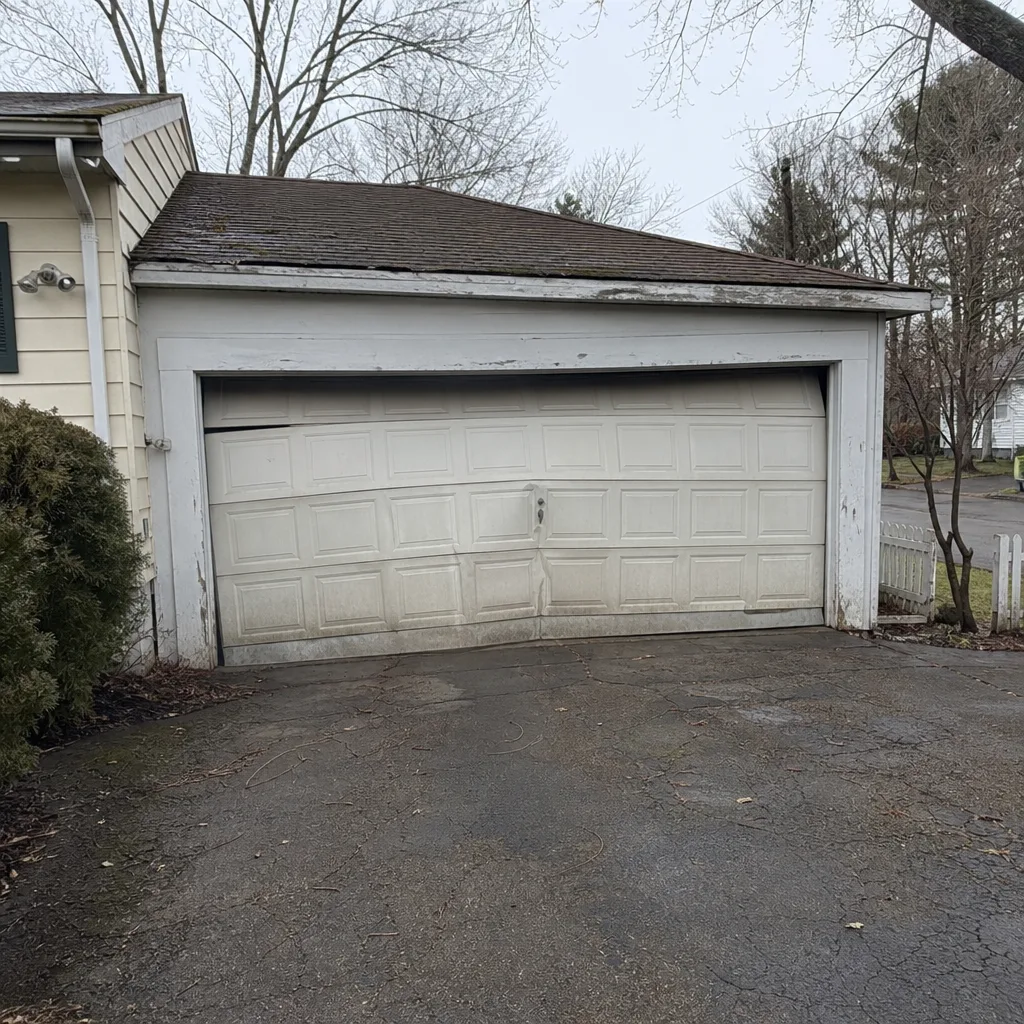 Before
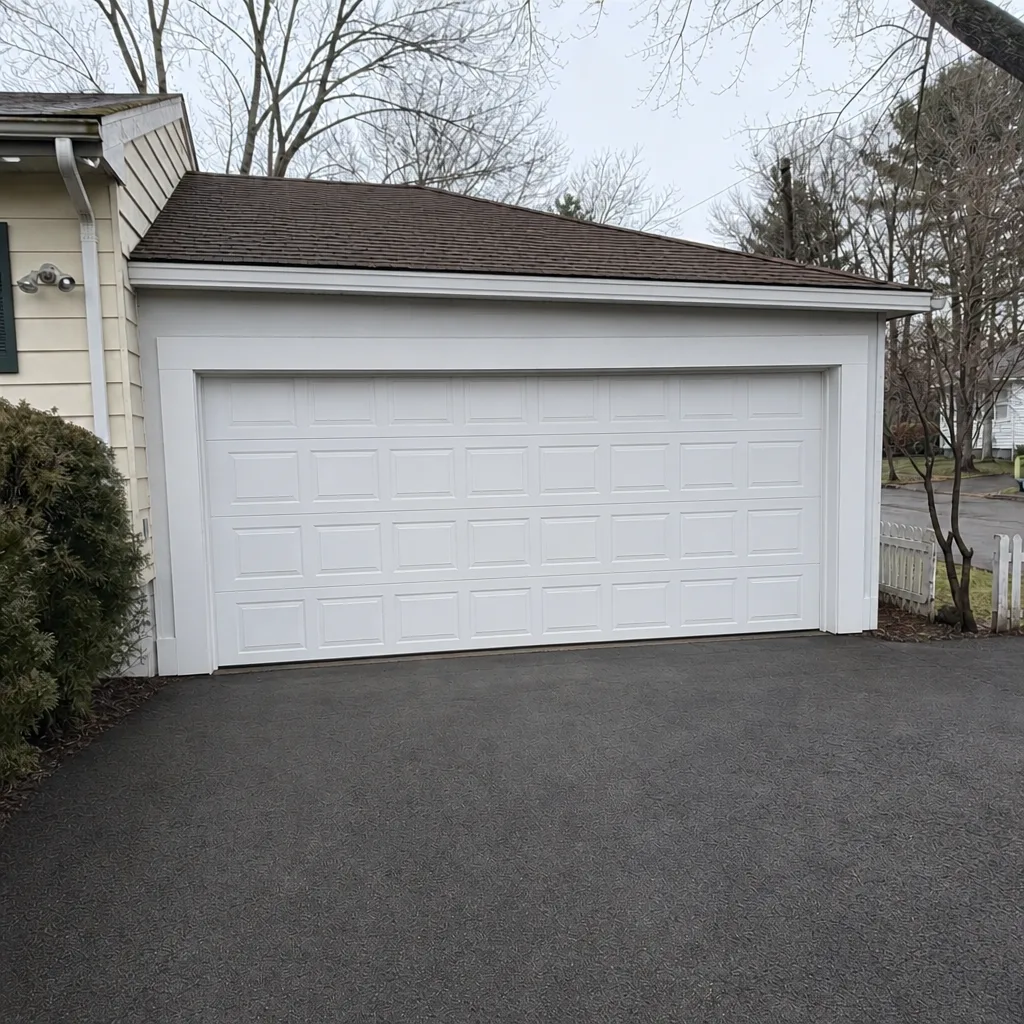 After
 Before
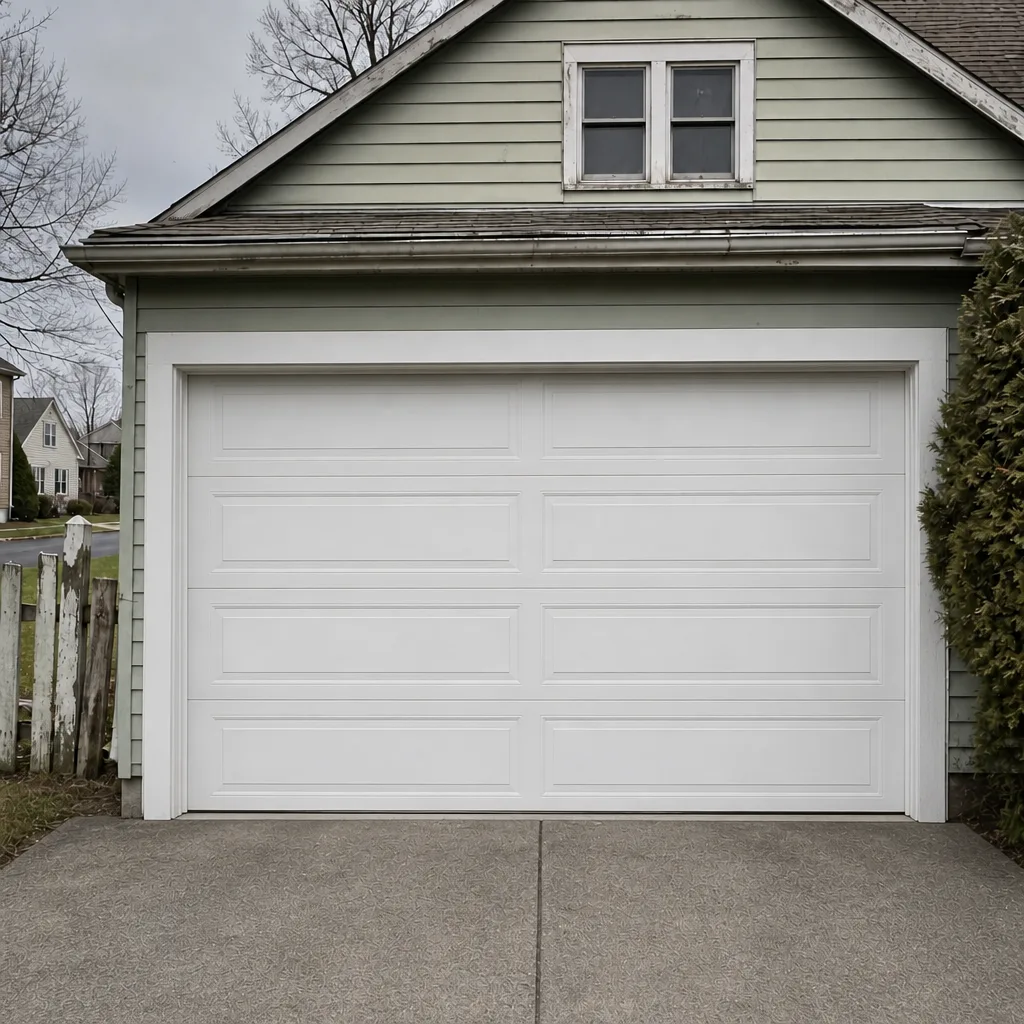 After
Common Mistakes to Avoid
- Hiring before checking HIC registration. A lower price from an unregistered operator isn’t a deal; it’s a liability. Run the DCP lookup first, always.
- Accepting a verbal quote. It protects no one. In Connecticut, home improvement work is regulated specifically because verbal deals go wrong. Get it in writing, every time.
- Choosing on price alone. The cheapest quote is often the one missing line items – springs without specs, openers without model numbers, “hardware” listed as a catch-all. Cheap quotes are usually incomplete quotes.
- Assuming “manufacturer-trained” means something. Ask what brand and what model, and see if they can answer. The claim alone means nothing.
- Replacing the whole system when a repair will do. A reputable contractor diagnoses the failure first. Replacement is sometimes right, but a contractor who recommends it before diagnosing is selling, not repairing.
- Letting a broken door sit open. A door stuck open after a failure is an open invitation. Call for emergency service rather than leaving it overnight.
- Hiring a generalist who “also does garage doors.” A handyman can tighten a hinge. A specialist knows the difference between a Clopay door’s torsion setup and a Wayne Dalton’s extension-spring configuration, and that difference determines whether the repair holds.
Frequently Asked Questions
Spring repair typically runs in a specific range depending on the door’s size and spring type, and the written estimate sets the final price. If your door has a matched pair of springs and both are being replaced, expect roughly double the single-spring price. Any quote you get should itemize the spring specs – wire gauge, length, cycle rating – so you know exactly what you’re paying for. Call (877) 792-6067 for an exact quote; estimates are free.
Yes. Connecticut requires home improvement contractors to register with the Department of Consumer Protection, and garage door work falls under that registration. Use the DCP’s online license lookup to confirm the registration is active and matches the contractor’s business name. It takes under two minutes, and a contractor who can’t produce a registration number isn’t legally cleared for the work.
We dispatch fast from 7am to 7pm, Sunday through Friday, and same-day service is often available for repair calls depending on the schedule. We’re closed Saturday. If your door is stuck open or won’t close, call and we’ll book the earliest opening for emergency service. Call (877) 792-6067 – we answer 24/7.
Not without your approval. The estimate you receive is quoted and agreed before any work starts, and if the technician finds something the estimate didn’t cover, they explain it and get your sign-off before doing anything. That’s the whole point of a written estimate – it’s the price, not a starting point.
The local professional you connect with through Hartford Garage Door Repair Pros is licensed and insured as their state requires. Our technicians have up to 11 years of experience, and we work across the major residential brands – LiftMaster, Chamberlain, Genie, Clopay, Amarr, Wayne Dalton, Craftsman, and Raynor – so the diagnosis matches the hardware. Ask for the registration number and certificate of insurance before the visit, and any legitimate professional will provide both.
Repair is usually the right answer for a single failed component – a spring, a roller, an opener capacitor, a bent panel. Replacement makes more sense when the door structure is compromised, when parts are discontinued or unavailable, or when the door’s age and condition make repeated repairs a losing investment. A specialist diagnoses before recommending; if a contractor jumps straight to replacement without checking the actual failure, get a second opinion. Call (877) 792-6067 for a free estimate on either option.
The Bottom Line
Hiring a garage door contractor in Hartford is a credentialing exercise first and a pricing conversation second. Verify HIC registration and insurance before anything else. Ask what brand and model they think you have, and listen for whether they’re guessing. Get a written estimate with itemized parts, specific model numbers, and real spring specifications. Reject the vague ones. And when the door fails in a way that involves tension or load – springs, cables, a door stuck open – treat it as a safety call, not a handyman call. A stuck door is an access problem and a security gap at the same time. Hartford Garage Door Repair Pros handles repair, opener work, installation, springs, and emergency response across the major residential brands. Call (877) 792-6067 for a free estimate. We answer 24/7. Fast dispatch from 7am to 7pm, Sunday through Friday.
Written by the team at Hartford Garage Door Repair Pros.