
Last updated November 23, 2026
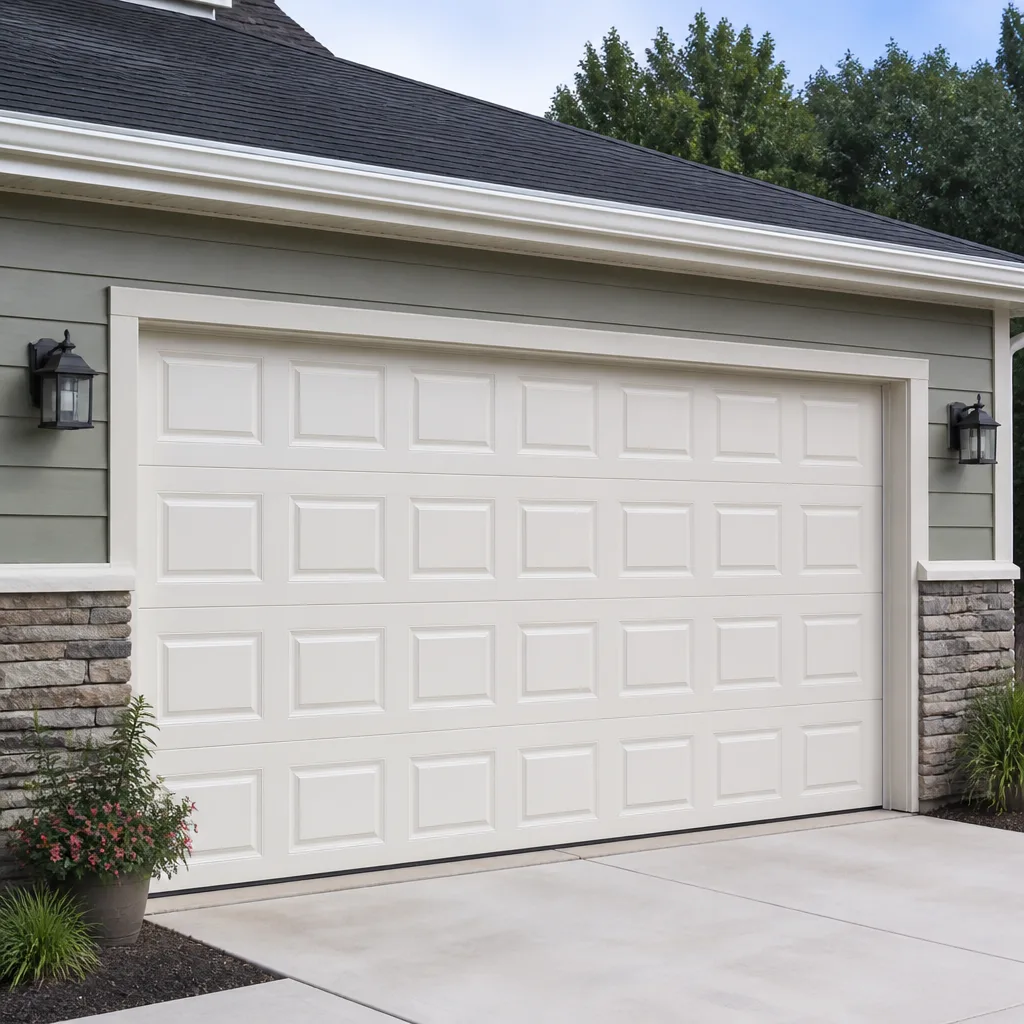 Raised-panel steel
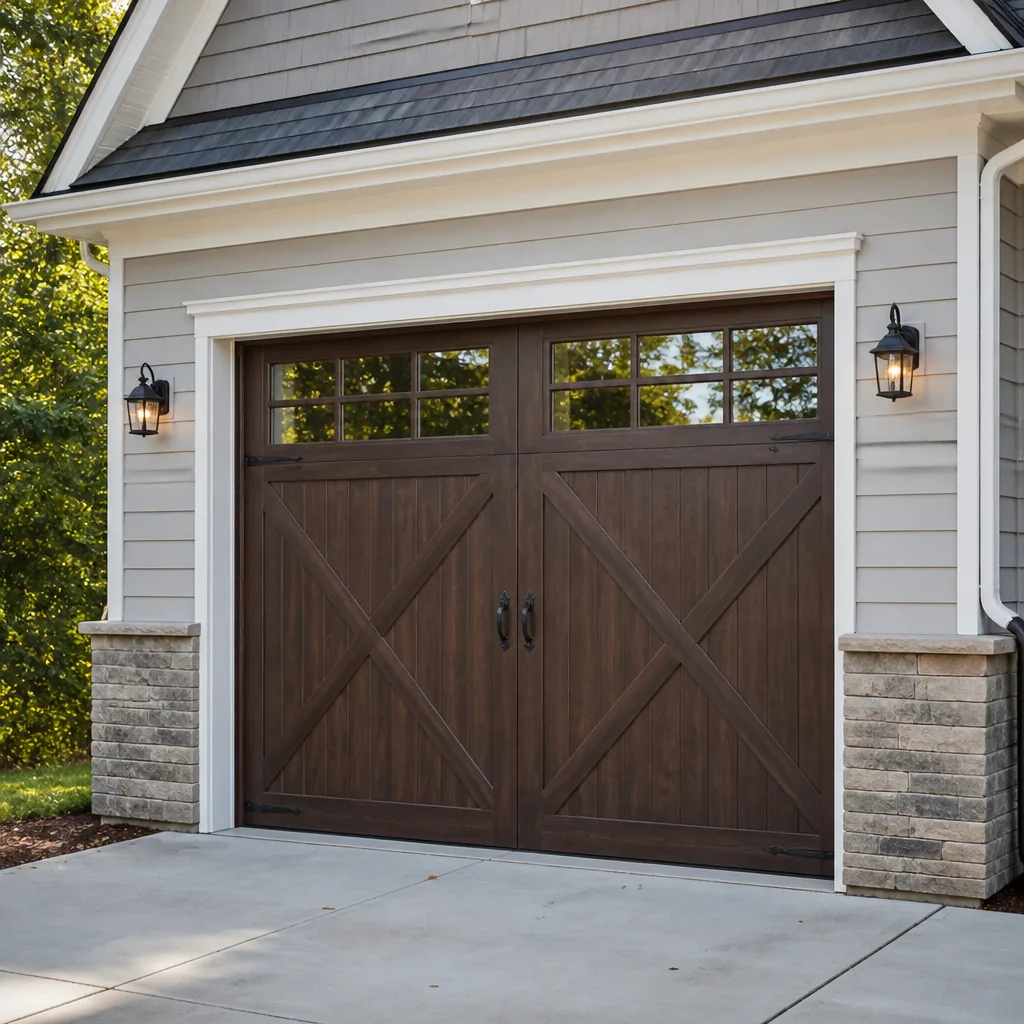 Carriage house
 Modern flush
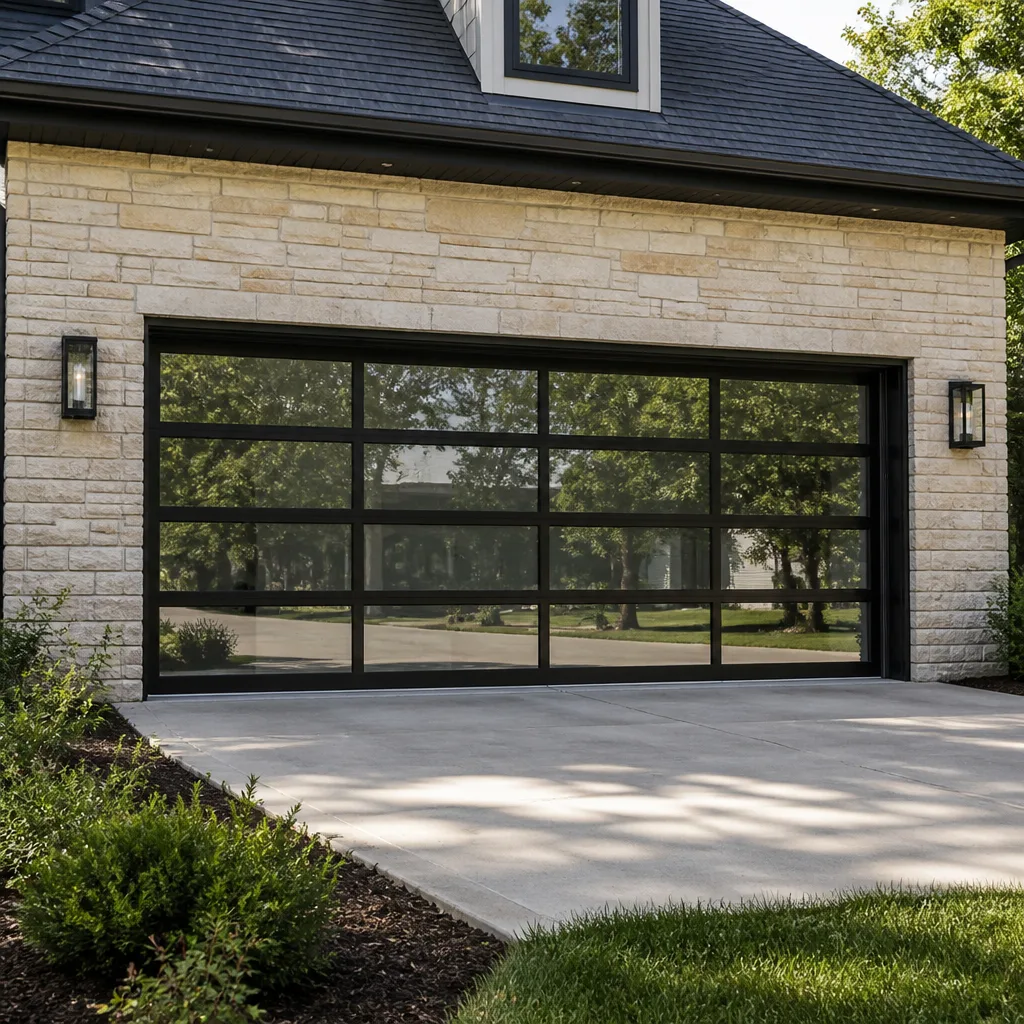 Full-view glass
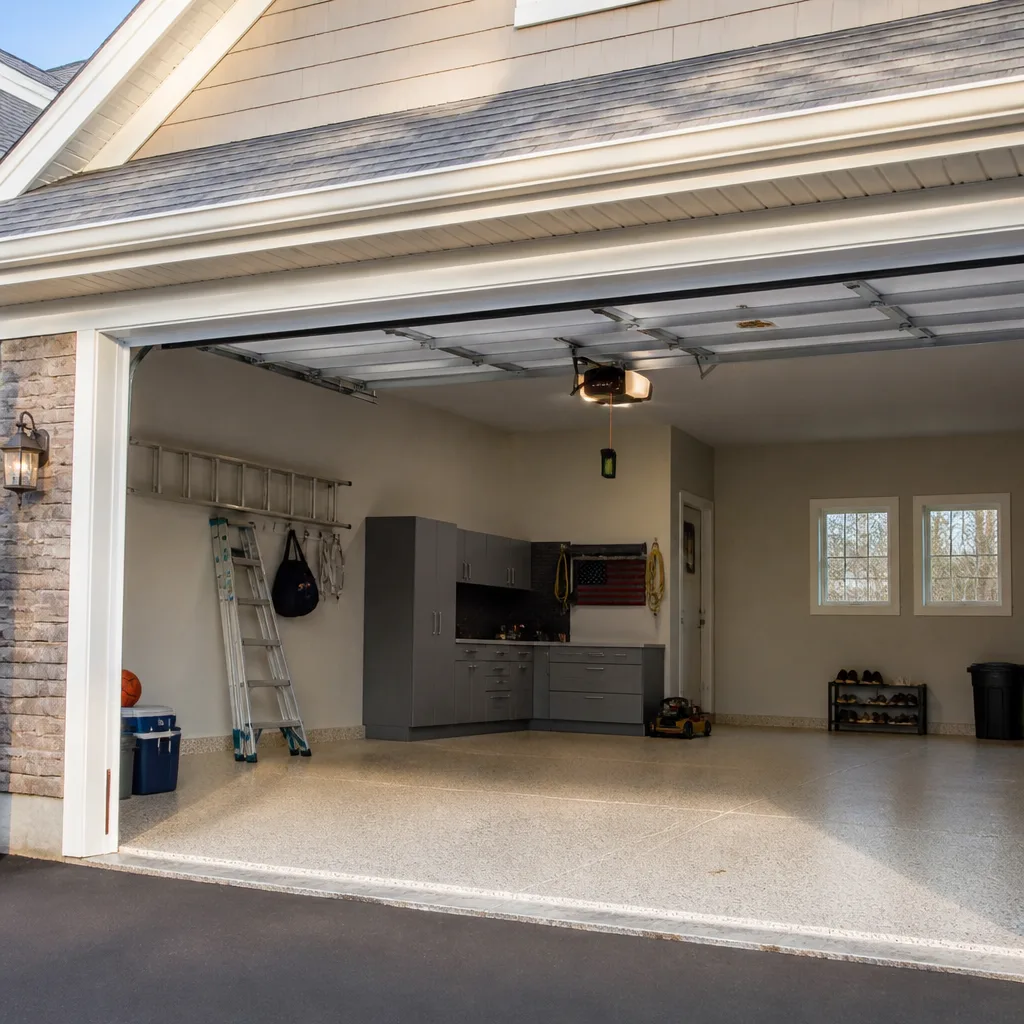 LiftMaster openers
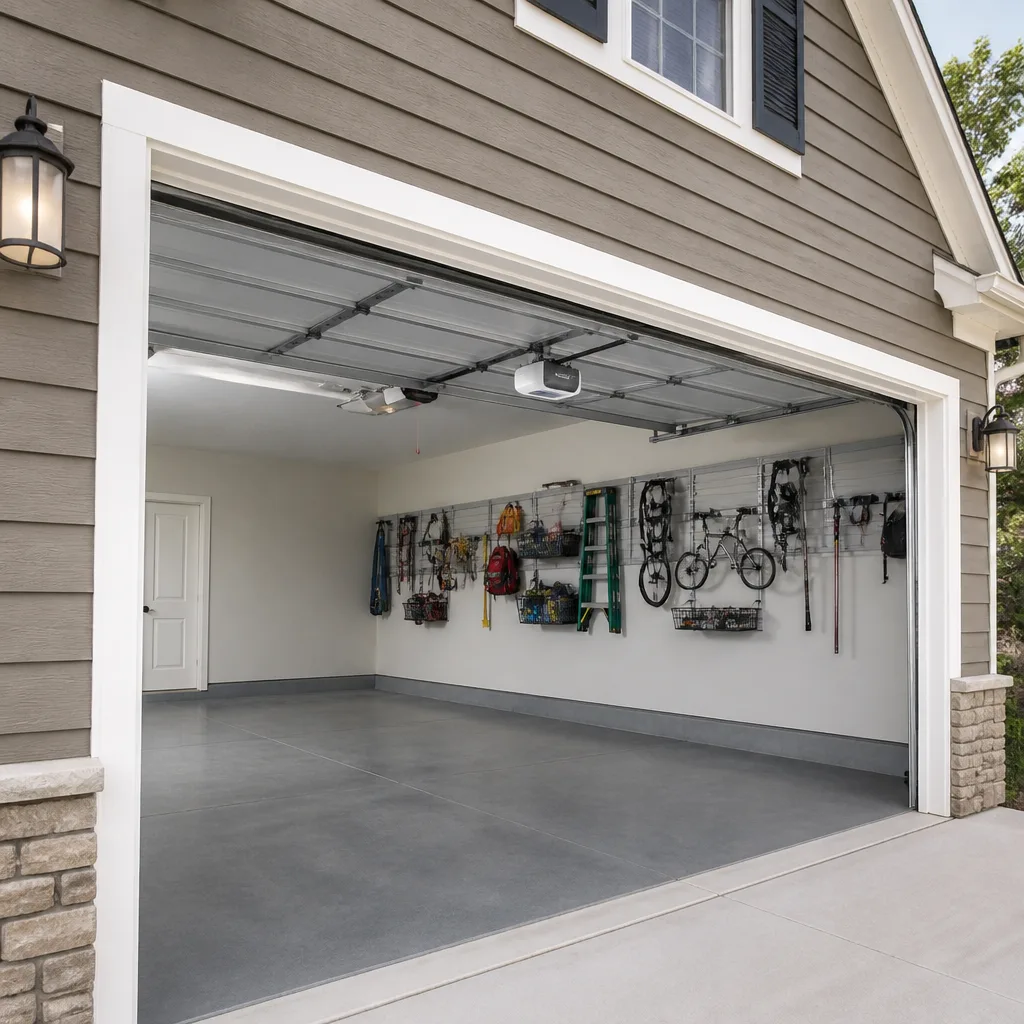 Chamberlain openers
Full 25-point door and opener safety check with every visit - springs, cables, rollers, tracks, and your LiftMaster or Chamberlain opener included
You get a price before we start. It does not change when the pro arrives.
Get your free estimateGarage Door Emergency Preparedness Guide for Hartford Homes
Most Hartford homeowners think a garage door emergency is a break-in or a door that won’t close at night. In our experience, the call that comes in most often during a winter storm is simpler and more frustrating: a door that won’t open because the power is out, and a homeowner who has pulled the emergency release cord the wrong way. A torsion spring that snaps mid-lift leaves the door stuck halfway, and forcing it down turns a spring repair into a spring and cable repair. This guide walks through both scenarios, the power-outage problem and the mechanical-failure problem, and shows you what to prepare, what to check, and when to stop and call a specialist. You’ll finish knowing how your opener actually works, what your winter garage kit should hold, and how to set up a service relationship before you need one in Hartford.
Styles & brands we work with
- Raised-panel steel
- Carriage house
- Modern flush
- Full-view glass
- LiftMaster openers
- Chamberlain openers
Quick Answer
Garage door emergencies in Hartford usually fall into two categories: power loss during a winter storm that leaves you with a door you can’t open, and a mechanical failure like a broken spring or a snapped cable that traps the door in place. Each needs a different response. Power outages are solved by correct emergency-release technique and, ideally, a battery backup opener. Mechanical failures should never be forced and require a trained technician. Preparation costs very little. Handling the emergency wrong can cost several times more than the repair itself, because forcing a stuck door damages cables, tracks, and panels.
Table of Contents
- How your opener works when the power goes out
- Using the emergency release cord correctly
- Battery backup options by brand
- When a torsion spring breaks mid-operation
- A Hartford winter garage emergency kit
- Setting up a service relationship before you need one
- Common mistakes to avoid
- When to call a professional
How your opener works when the power goes out
A standard residential garage door opener is a trolley-style system. The motor sits in the middle of the ceiling, driving a rail that carries a carriage (sometimes called a trolley) back and forth. The carriage is attached to the door’s arm. When the motor runs, the carriage moves the door. When there’s no power, the motor can’t move, so the carriage stays locked against the rail and the door stays locked with it. This is the design working correctly: the opener acts as a secondary lock, which is part of why an unpowered door is also a secure door.
Hartford County homes are a mix. Some are older two-car garages with legacy openers from Craftsman or a pre-2000s Raynor unit. Others have newer smart-home setups from LiftMaster or Chamberlain with Wi-Fi and MyQ integration. What they share is the same mechanical principle underneath. Understanding that principle is what lets you troubleshoot in the dark.
Three things determine how a power outage affects your door:
- Opener type. Belt-drive and chain-drive trolley openers all use a carriage. Jackshaft openers, mounted on the side of the torsion bar, work differently and don’t have a standard pull cord.
- Door type. A sectional door can be opened and closed manually once the carriage is released. A one-piece tilt door can also be manual, but it’s heavier and harder to control.
- Spring state. A manual release only helps if your springs are healthy. If a torsion spring has already broken, releasing the carriage leaves you with a door you cannot lift safely.
Before the next storm, walk to your opener and find the release cord. It hangs down from the carriage on the rail. On most units, it’s a short red or black cord with a T-handle. If you can’t locate it in daylight, you won’t find it in the dark. That’s the simplest prep step in this guide, and the one most people skip. Our Hartford Garage Door Repair Pros technicians see this every winter: a homeowner with a dead opener and no idea where the release is.
Using the emergency release cord correctly
The release cord is not a lock override. It disengages the carriage from the rail, which lets you move the door by hand. Used correctly, you can open the door, pull out, and close it behind you. Used incorrectly, the carriage sits in a disengaged position and you can’t re-engage it without getting the door and the carriage back into alignment. That alignment step is the part most people miss.
How to release the door properly
- Make sure the door is fully closed. Never pull the release cord with the door partway open unless you can support it. With a torsion-spring door, the spring holds most of the door’s weight. Release it in the wrong position and the door comes down hard.
- Find the carriage on the rail. It’s the bracket riding the rail above the door’s center. The cord hangs from it.
- Pull the cord straight down. This is the direction the mechanism expects. The carriage clicks and releases from the rail. On most brands, you’ll feel a distinct click.
- Lift the door by the bottom section. Use the lift handle or the bottom rail. Lift slowly and let the springs help you. A properly balanced door feels like lifting about 10 to 15 pounds.
- Re-engage it later. With the power back on and the door fully closed, pull the cord again to reset the carriage into engagement, then cycle the door once by remote to confirm it caught.
The mistake that leaves the carriage disengaged
The most common failure is pulling the cord sideways or upward with force, or pulling it while the door is partway up. On some Craftsman and older Genie units, that generates a partial release. The carriage stays off the rail and a second pull grounds the mechanism’s return position. You’ll hear the click, but the carriage will not re-engage the way it should. That’s when it becomes a service call rather than a manual open. If your carriage won’t re-engage after the power returns, stop pulling. Call us and we’ll get it freed on the same visit.
Battery backup options by brand
For any Hartford home with an attached garage, battery backup on the opener is the single most useful upgrade you can make for storm preparedness. The basic principle is that the opener carries its own battery and switches to it automatically when power fails. You get a limited number of cycles to open and close before the battery discharges. If you have one car trapped and a phone that works, that’s plenty.
What you actually get depends on the model:
- Integrated battery backup. Models like the LiftMaster 8550WLB include the battery inside the opener housing. Runtime is generally several door cycles per charge, not enough to run a door all afternoon but enough to open and close for a few trips out. This is the cleanest option and often the one homeowners wish they’d installed before the storm.
- Add-on battery solutions. If your opener is a LiftMaster or Chamberlain made in the last decade or so, an add-on backup unit can usually be wired in. These add runtime but also take up hanging space on the ceiling. Great for existing hardware.
- No backup, manual only. Many older Raynor, Amarr, and Craftsman installations have no backup option. That’s fine. You rely on the emergency release cord instead and prepare accordingly.
Realistic runtime expectations
Battery runtime is best understood in door cycles, not hours. Full-open and full-close each count as one cycle. A fully charged integrated backup unit will typically be rated for a set number of cycles before it needs to be recharged from mains power. If you’re opening and closing repeatedly in a storm, plan on the battery running out. If you’re opening once, pulling the car out, and closing once, you’ll be fine. For smart-home setups using LiftMaster or Chamberlain Wi-Fi, the app will usually tell you the battery status and warn you when it drops. Check it before storm season, not during.
When a torsion spring breaks mid-operation
A torsion spring breaking sounds like a gunshot. It’s loud and startling. If you’re in the car,
See the difference
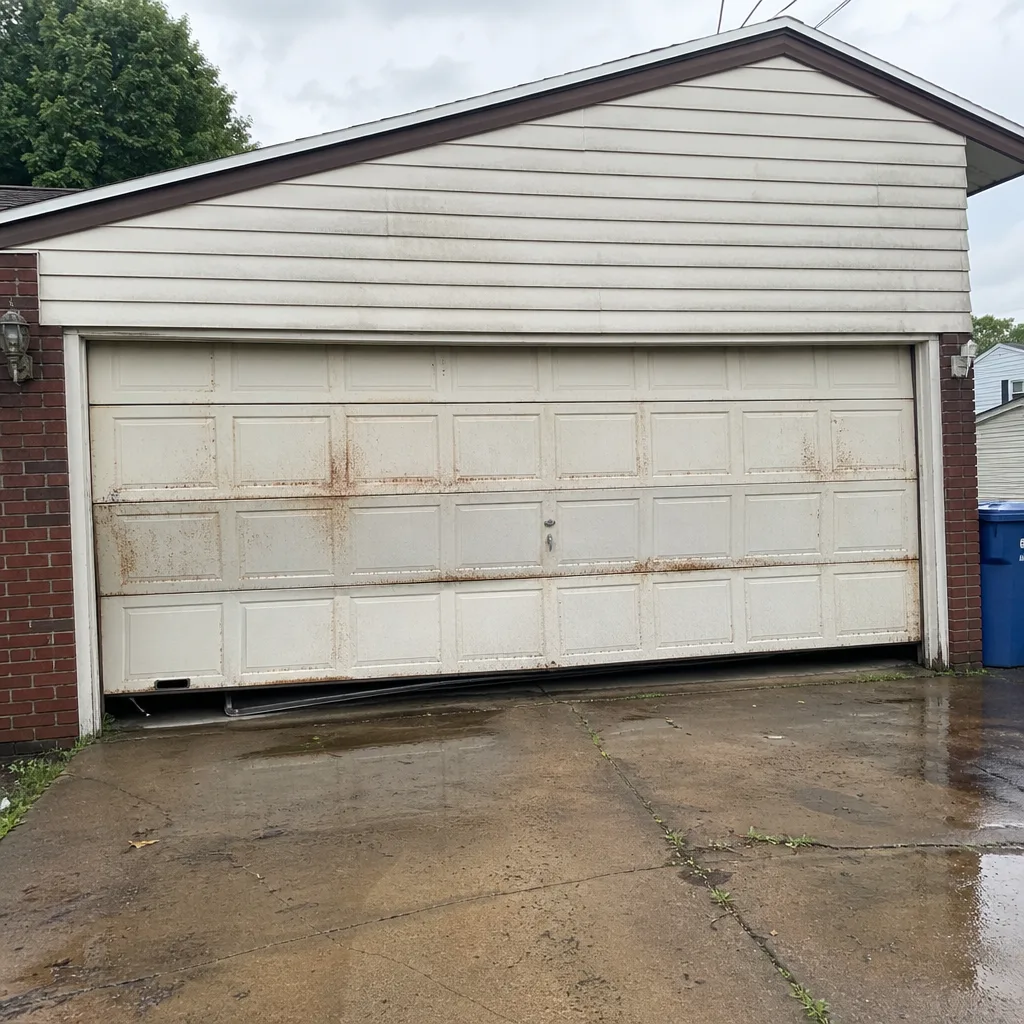 Before
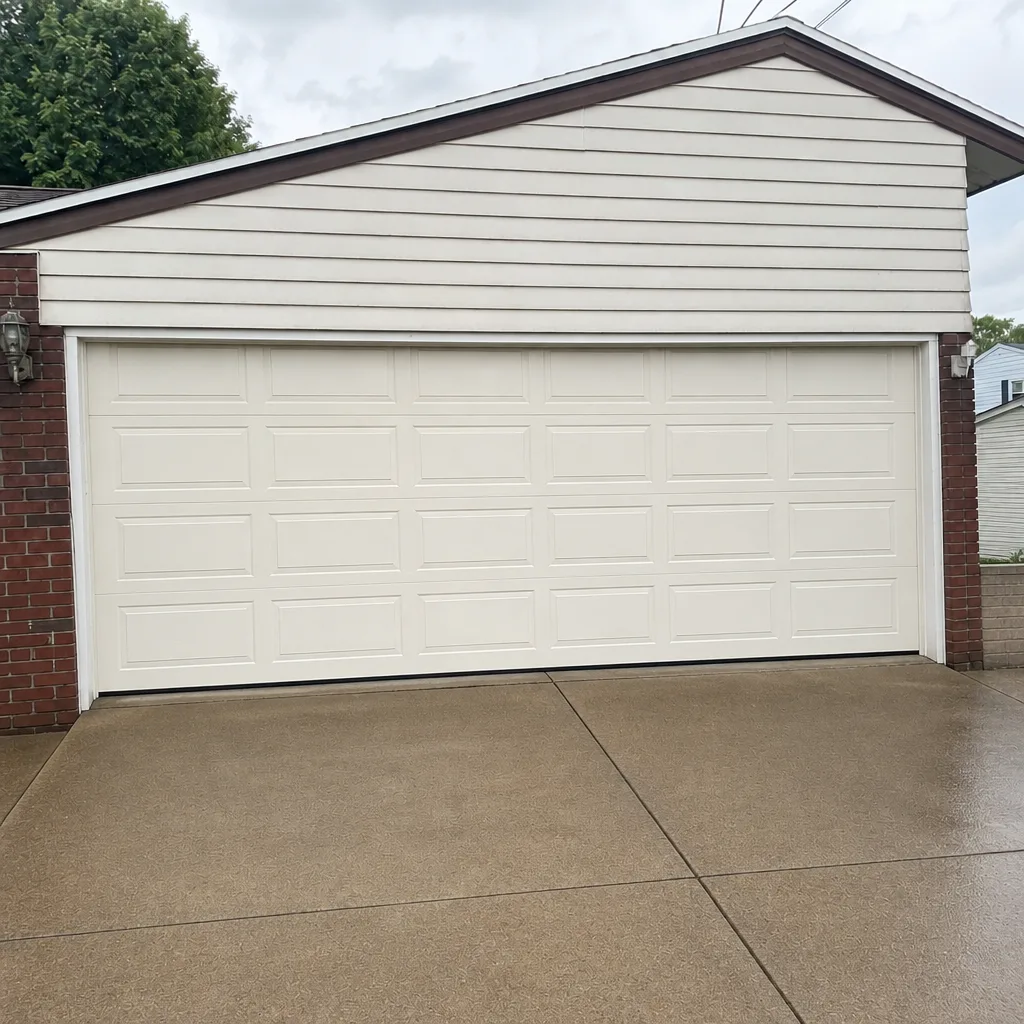 After
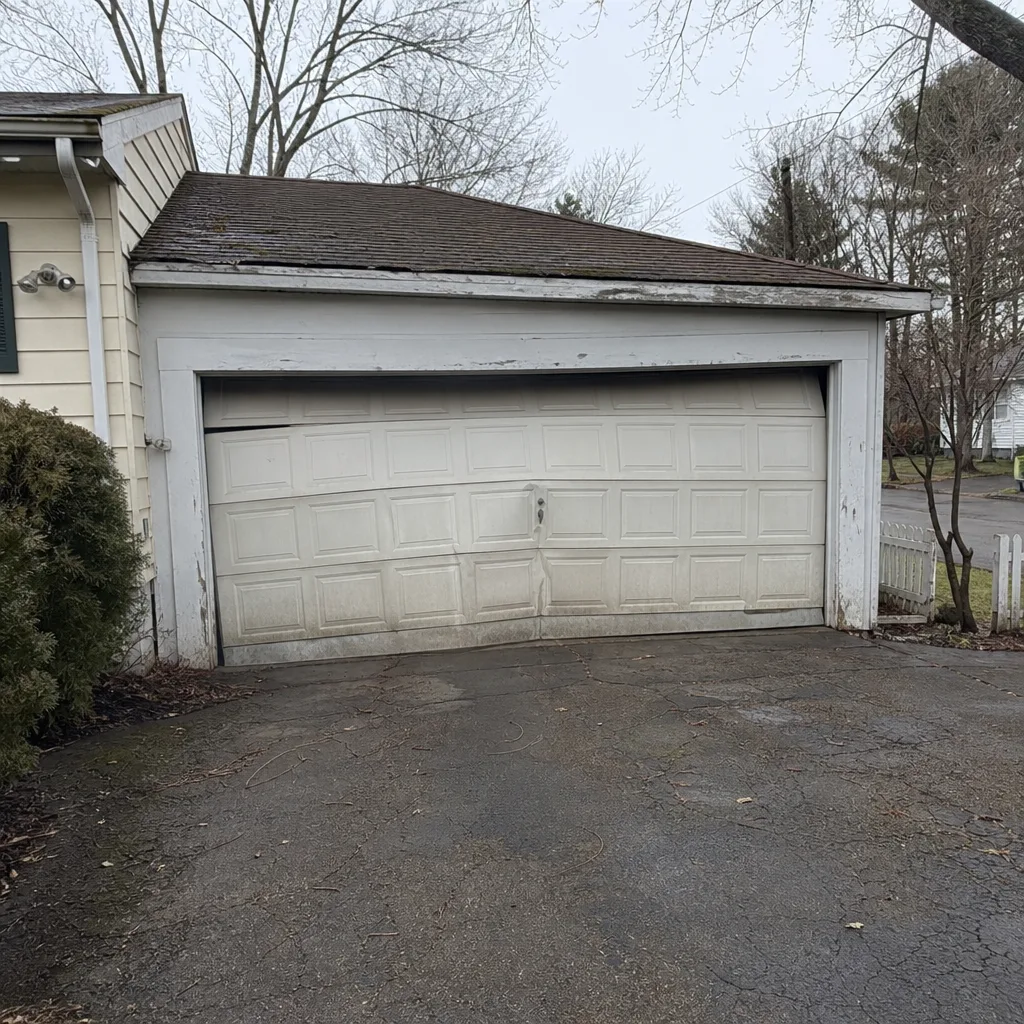 Before
 After
 Before
 After